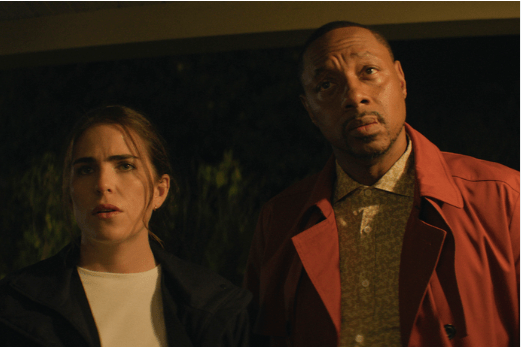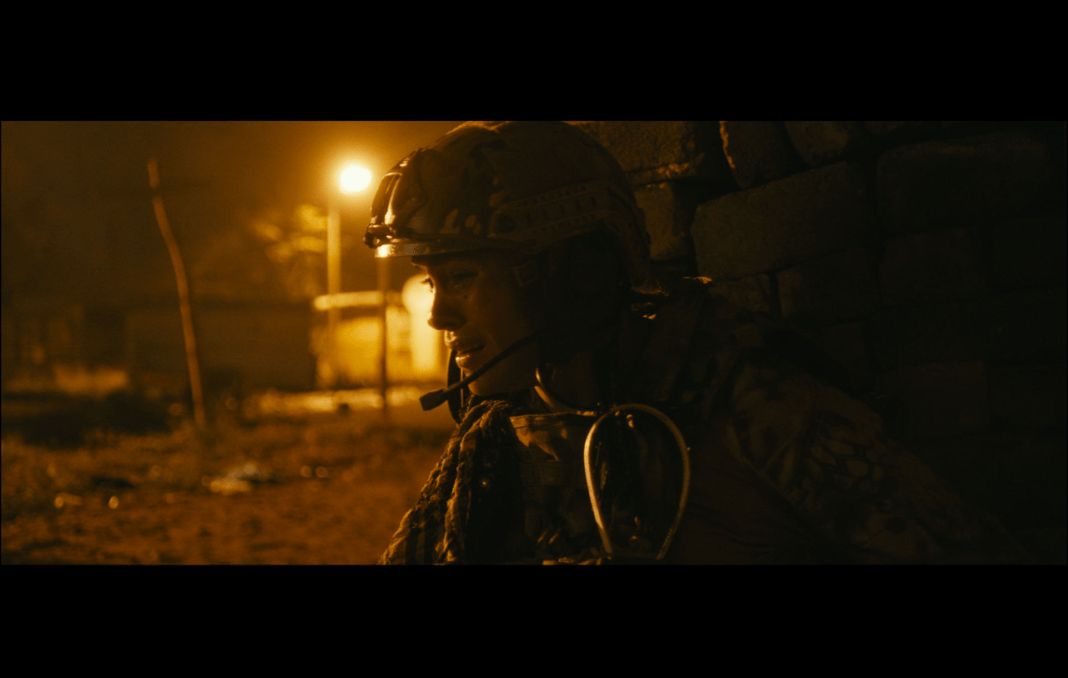
I first discovered the genius that is Emerald Fennell at the 2020 Sundance Film Festival. It was at that festival where I attended the world premiere of Promising Young Woman. I walked into the screening not knowing what to expect and walked out completely blown away by what I just experienced. I called the film a masterpiece, and in 2026, I still stand by that statement.
Fennell created something that was divisive yet fearless with Promising Young Woman. The film that confronted rape culture and revenge in such a unique way that felt wholly original. With her first film, Fennell managed to somehow combine dark comedy and deeply unsettling subject matter without ever losing its moral core. Provocative, stylish, and incredibly risky, Promising Young Woman introduced the world to Fennell as a bold new voice in contemporary cinema.
Her follow up feature was Saltburn, which I enjoyed but didn’t quite love as much as Promising Young Woman. Saltburn although visually and aesthetically more appealing than Promising Young Woman, was a film that I felt kind of went off the rails and seemed like it was purposely trying to be divisive. Several of those moments, especially ones found in the film’s final act, took away from my overall enjoyment of the film. Don’t get me wrong, there is a lot to admire about Saltburn, but I didn’t feel quite as satisfied as I did when I walked out of Promising Young Woman.
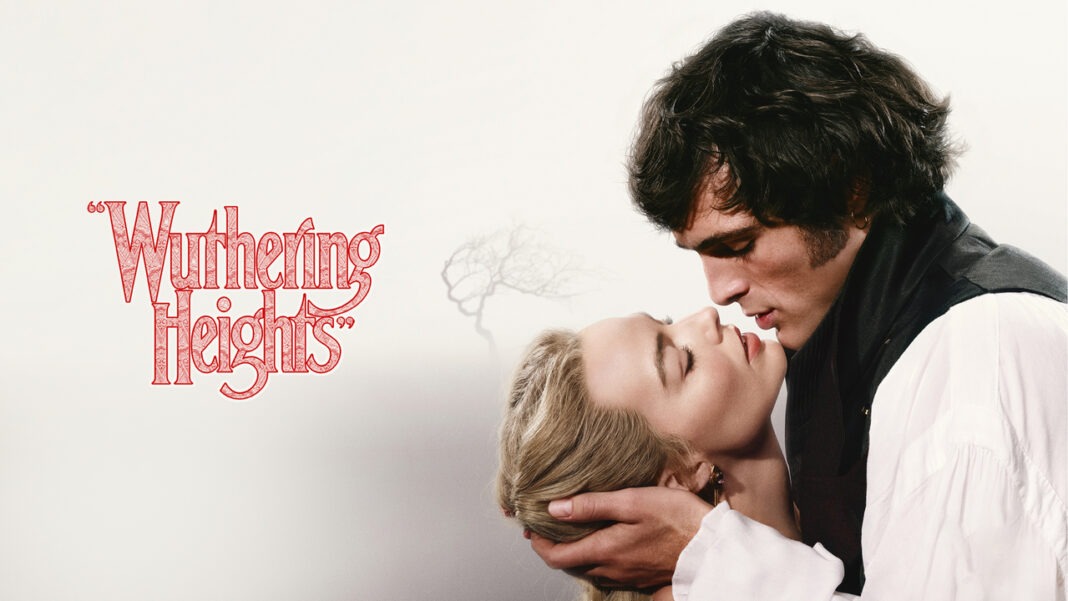
This brings me to Wuthering Heights, Fennell’s third feature length film. It is important to note that this is her own singular vision of Emily Brontë’s beloved novel. I want to make sure that point is very clear because while the movie is called Wuthering Heights, and certain plot points follow that of the beloved novel; there is no question that Fennell makes this story her own. While I think that Wuthering Heights will become Fennell’s biggest film and in many respects, her most accessible, I still think that it will be divisive just like her previous films.
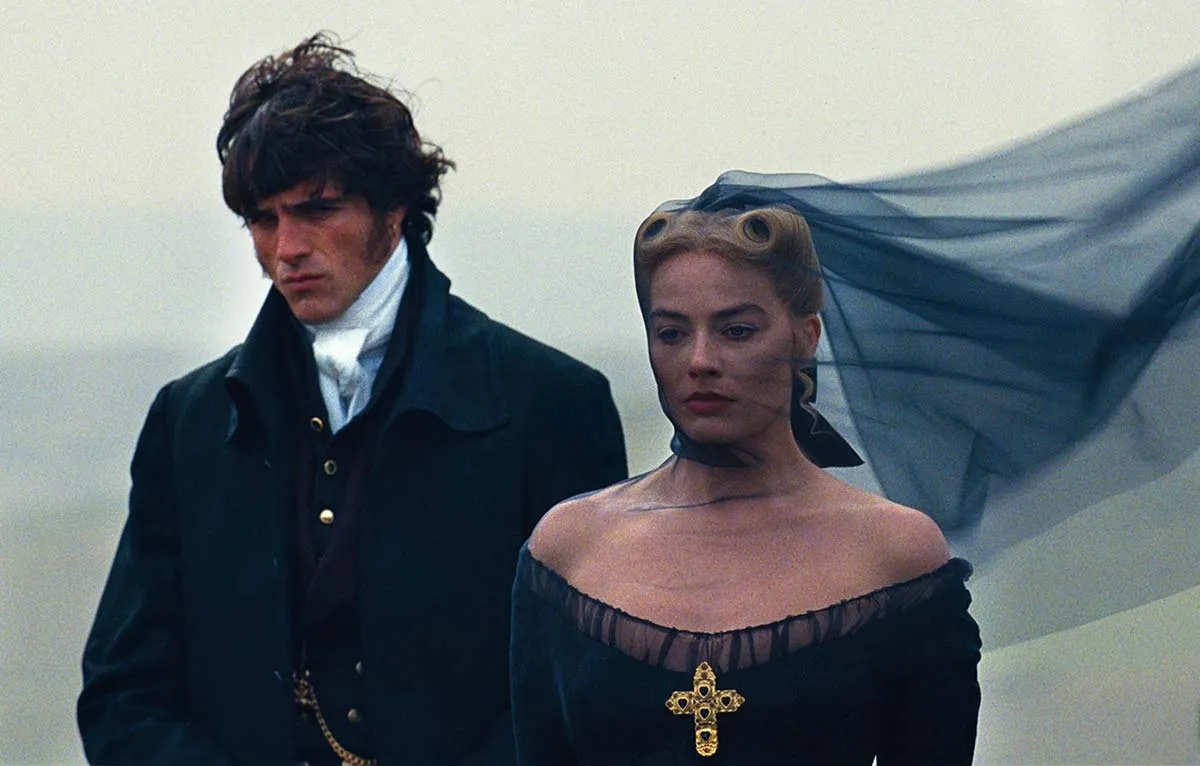
The romance combined with the heightened melodrama make Wuthering Heights destined to have a much broader commercial appeal than Fennell’s previous outings. However, accessibility should not be mistaken for universality. The film will very likely spark debate and divide audiences, and not because of silly discourse surrounding Heathcliff’s casting, which I consider to be a nonissue. Instead, I am referring to Fennell’s interpretive choices regarding Catherine and Heathcliff’s motivations. She leans into the psychological nature of their love in ways that I believe will complicate the audiences reaction for these characters. For some, that complexity might feel invigorating but for others, alienating.
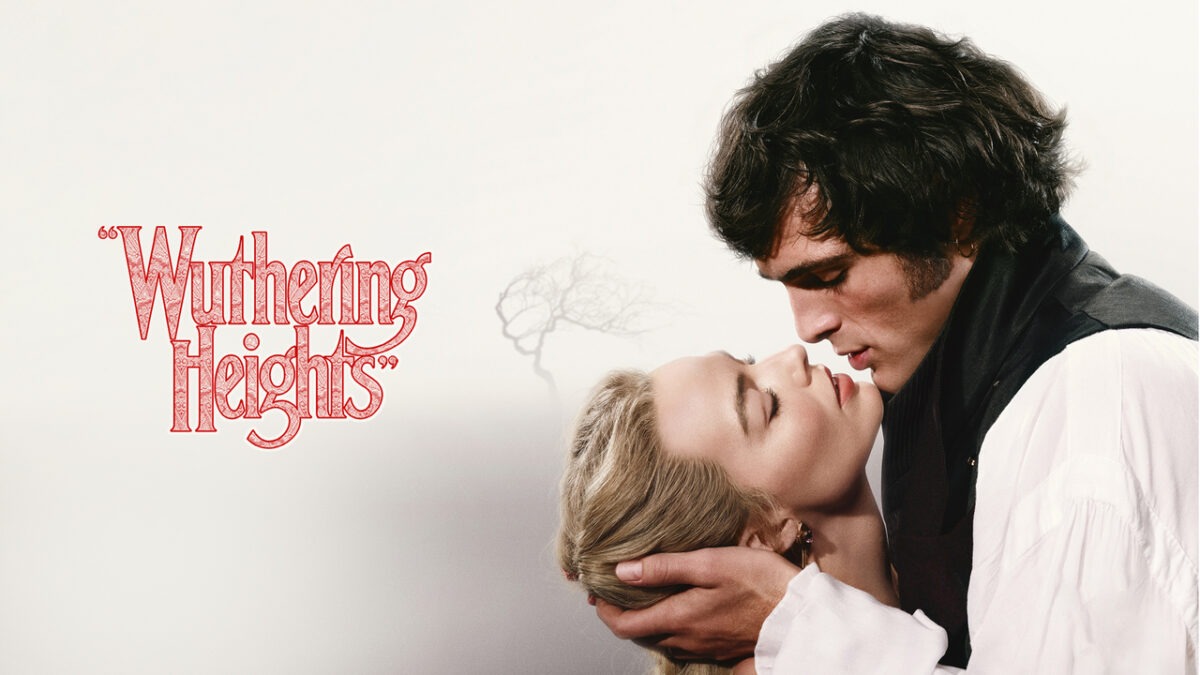
Emerald Fennell’s take on Wuthering Heights is steamy and seductive, while also leaning into the toxicity at the core of Catherine and Heathcliff’s relationship. The chemistry between Margot Robbie and Jacob Elordi is electric, and the sexual tension between them is undeniable from start to finish.
If there was any lingering doubt about Jacob Elordi becoming a true movie-star following his work on Euphoria, Saltburn, and Frankenstein, this performance should put an end to it. He is magnetic as Heathcliff and comes across as stubborn, seductive, and emotionally volatile in a way that demands attention. Whenever he shares a scene with Robbie, the atmosphere and tension immediately begins to thicken. All of their exchanges feel charged, unpredictable, and intensely physical without necessarily needing to be explicit.
The dynamic between these two actors is certain to fuel online discourse, not just because of the sensuality, but because of how unapologetically messy and morally complicated these characters are. Robbie and Elordi deliver bold and provocative performances that allow these two actors to showcase sides of themselves that we have yet to see from them onscreen.
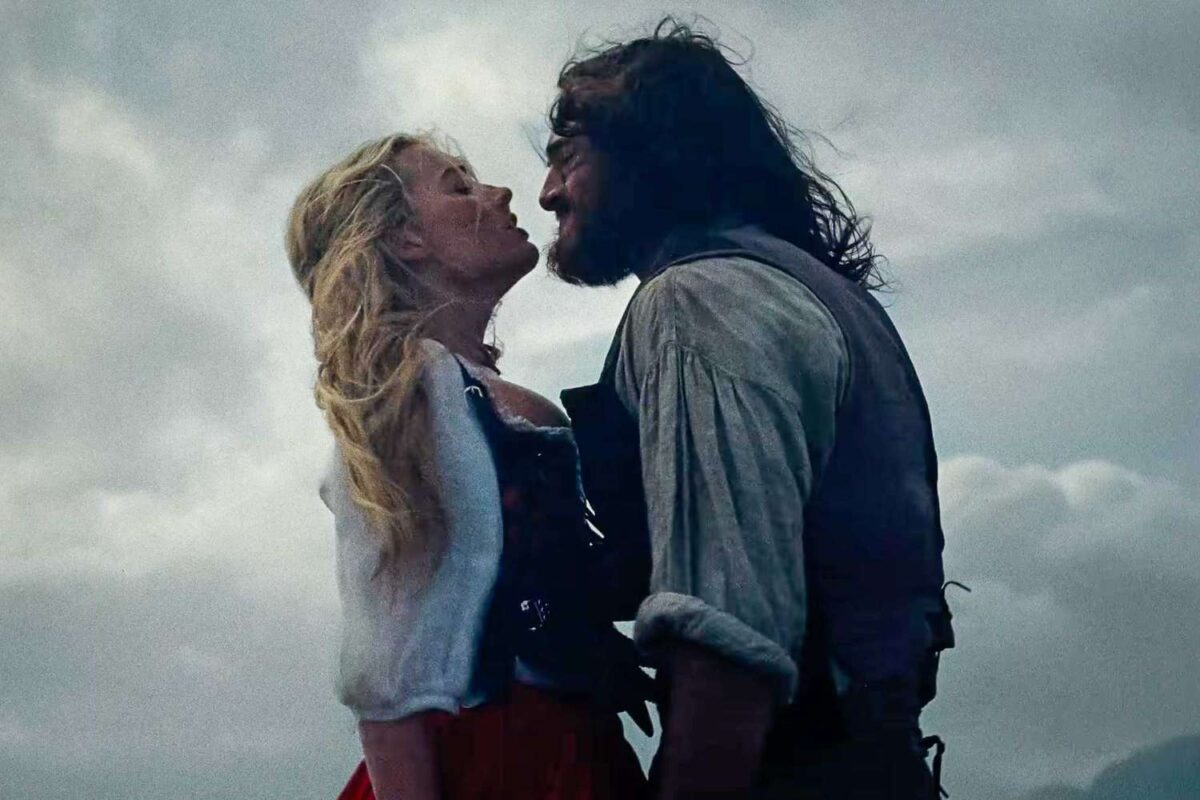
But Fennell never romanticizes their connection without consequence. Catherine and Heathcliff are not traditionally likable protagonists. They are deeply self-serving, often weaponizing love, jealousy, and status in ways that leave collateral damage in their wake. They hurt people. Intentionally. And at times, cruelly. The film makes that discomfort unavoidable.
Even though this is a heightened version of an 1847 novel, I found myself repeatedly questioning the characters motivations and choices. The narrative wants the audience to root for them to reunite, yet there are certain scenes where I struggled to root for them because I couldn’t ignore the physical and emotional abuse they created.
Without going into specifics, the way Fennell handles Heathcliff’s relationship with Isabella Linton, played by Alison Oliver, is one of the film’s most unsettling creative choices. What begins as seduction, rooted in ego, wounded pride, and revenge, eventually turns into something far more disturbing. The relationship walks a fine line between infatuation and abuse, and as the film enters its third act, it ultimately moves into territory that feels intentionally uncomfortable.
I am very well aware that the original novel contained elements of cruelty and emotional abuse, but Fennell intensifies the psychological framing. She underscores the manipulative ways behind Heathcliff’s actions rather than disguising them in gothic romanticism. That decision may prove divisive, particularly for modern audiences who are far more aware of the power imbalance and emotional exploitation of a male protagonist.
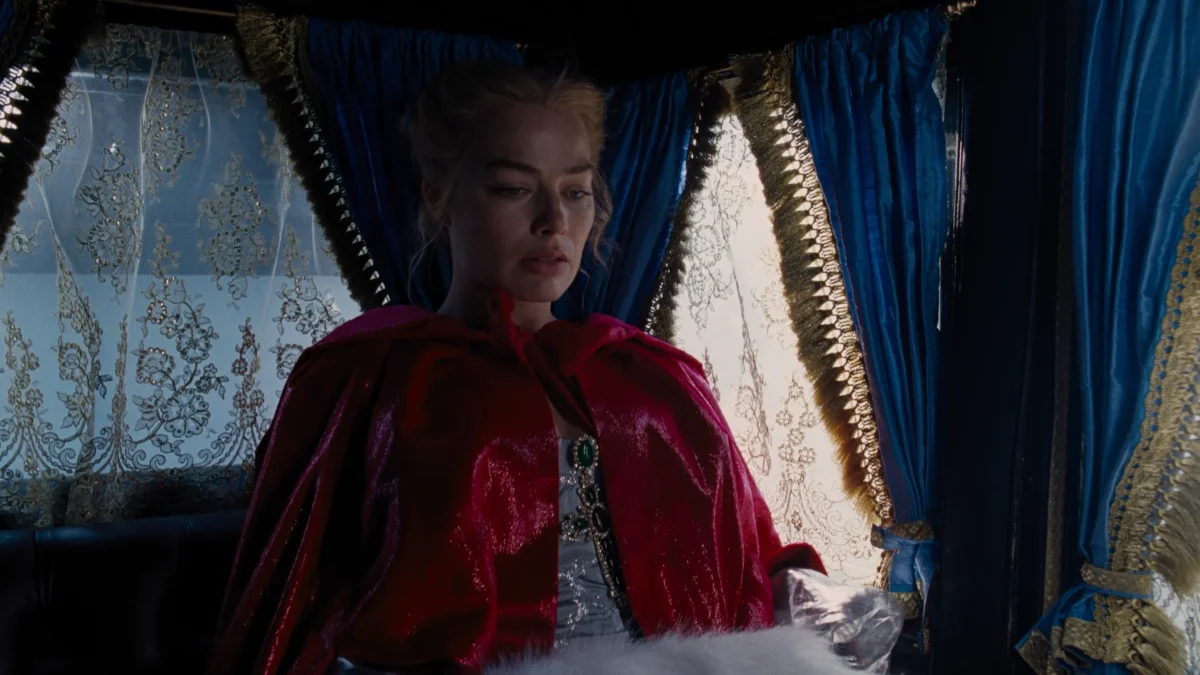
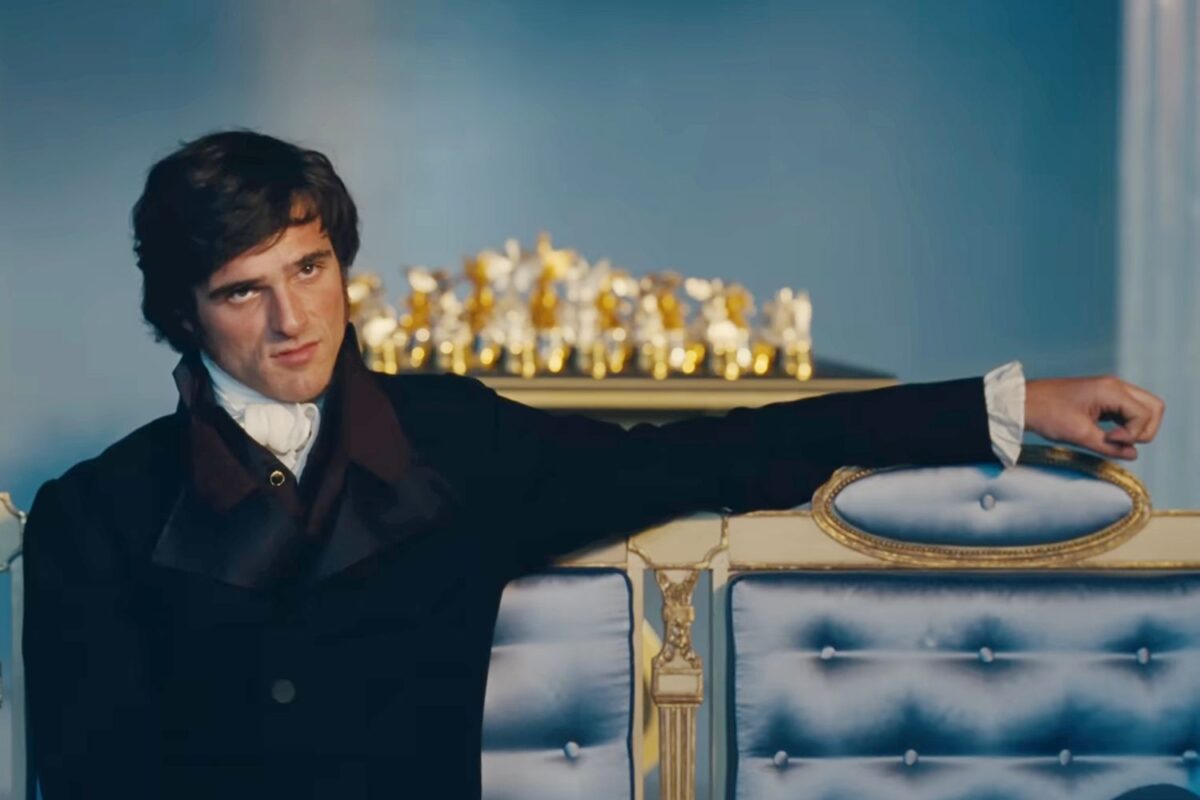
A similar dynamic also exists between Edgar Linton, played by Shazad Latif, and Catherine. From a contemporary standpoint, their relationship does not raise the same red flags, yet it still reinforces the film’s broader message that their love is transactional, strategic, and often used as a weapon. As this love story comes to a close, both Edgar and Isabella begin to feel less like fully realized individuals and more like pawns in a twisted and obsessive love story.
However, it is that same tension that ultimately makes Wuthering Heights so compelling, even if it proves to be off-putting for certain viewers. Fennell refuses to make a traditional film about love and romance. Instead, she loves to dissect the topics. From the very beginning, the audience understands that Catherine and Heathcliff are doomed, but Fennell frames them less as tragic soulmates and more as forbidden lovers bound by something feral, obsessive, and mutually destructive. Their connection is fueled by passion yet that same passion becomes morally sabotaging.
There are certain aspects of Wuthering Heights, that seem very reminiscent of Fifty Shades of Grey in the way that desire, power, and kink intersect. These characters are not merely victims of circumstance; they seem stimulated by resistance, by obstacles, and by the very chaos they create. That push-pull energy fuels the aforementioned toxicity. Love becomes less about tenderness and more about domination, possession, and emotional manipulation.
All that being said, one of the most surprising elements of Wuthering Heights is the level of restraint Emerald Fennell demonstrates in how she stages the film’s sexual sequences. Given her previous work, one might expect something far more explicit but instead, she showcases notable discipline.
Rather than relying on graphic and erotic imagery, Fennell allows dialogue, sustained tension, and the viewer’s imagination to do most of the work. In contrast to Saltburn, where certain scenes felt intentionally provocative and determined to spark a reaction through shock, Wuthering Heights operates with a quieter level of confidence. The sensuality here serves character and theme rather than spectacle. It deepens the toxic relationship between Catherine and Heathcliff instead of distracting from it. Fennell proves that she doesn’t need to rely on excess to disturb or captivate but rather showcase how suggestion and subtext can be even more powerful.
When watching Wuthering Heights, it is almost impossible not to admire the level of artisanship on full display. The film is visually spectacular. Every frame feels meticulously crafted, with numerous settings that feel grand and immersive throughout. The way that Linus Sandgren’s cinematography captures sweeping landscapes and gothic interiors, makes them feel like characters rather than simple locations.
Jacqueline Durran’s costumes are absolutely gorgeous and the level of detail in each one is beyond impressive. I bet Margot Robbie couldn’t wait to come to set each day simply to wear one of these costumes. They are not only a work of beauty but added an extra layer of depth to the story being told. There is no surprise that her incredible vision for these outfits are now being sold as a limited edition Bloomingdale’s clothing line.
Suzie Davies’ production design transforms each of the settings into an extension of the characters’ inner desires and fears. The production design is exquisite and similar to the costumes and cinematography adds to the story and the world that Fennell has created.
Anthony Willis’s score is transportive, and when combined with the addition of Charli XCX’s music, it helps create this bridge between the classical nature of the source material and a contemporary sensibility. The score and music don’t feel jarring, which was something that I did fear prior to seeing the film, but afterwards, can happily share that they feel like a natural extension of Fennell’s vision for this story.
Even though it’s only February and the current awards cycle has yet to be completed, it is hard not to suggest that Wuthering Heights could emerge as a contender in below-the-line categories for next year. While not a surefire thing given the early release date, I do see a world where cinematography, costume design, production design, and score get nominated. From a craft perspective alone, this is a film that deserves to be recognized.
Emerald Fennell’s Wuthering Heights is a breathtaking and visual work of art. This will be the film that firmly establishes Emerald Fennell as one of the most in-demand filmmakers working today. Audiences, especially those on BookTok, are going to be absolutely floored by what she has done with her bold, fearless, and visually striking adaptation of this beloved story. Wuthering Heights is destined to become a massive hit for Warner Bros and one that is sure to create a whole new generation of fans from audiences all around the world.
Movie Rating: 8 out of 10
Awards Buzz: Wuthering Heights feels like it will be a below the line awards contender. While it is too early to say for sure, I do think the categories that the film is most likely to be nominated in are cinematography, costume design, production design, and score.