People become famous for a variety of reasons, and there’s one which tends to attract attention but doesn’t always make logical sense: proximity to another person or family. The assassination of President John F. Kennedy was a national tragedy, which resulted not only in his death but in a continued obsession with his widow, children, and relatives that persists to this day with members of his family still serving in government. Those who have gone into politics have done so to some degree by their own choosing, but, as this limited series so clearly shows, it’s impossible to avoid the spotlight even if you’re doing everything you can to stay out of it.
Love Story: John F. Kennedy Jr. & Carolyn Bessette is the first chapter in the latest anthology series from the mind of Ryan Murphy, who first conceived of American Horror Story before venturing into historical material for American Crime Story and American Sports Story. This show’s content will largely be known to Americans who were alive and paying even a bit of attention to news and tabloids in the 1990s, as the man who was just shy of three years old when his father was killed began a romance the whole country was waiting to see happen with a previously unknown Calvin Klein employee. For those who haven’t heard about it, this is a deep dive in the style of The Crown.
Like that fact-based drama, this show pulls from history but fills in many blanks that aren’t documented, namely the conversations between people who either aren’t around anymore to defend themselves or who wouldn’t be interested in being consulted about private moments that weren’t meant for public consumption. Restaging paparazzi interactions and other moments is definitely worthwhile, but there’s a sense of invasive salaciousness that pervades some of this show’s more intimate scenes, as if, in the spirit of Carolyn’s desire not to be in the public eye, they shouldn’t have been dramatized in the first place.
But the purpose of this show, as indicated by its title, is to convey a beautiful love story embedded within a family who has been struck consistently by tragedy after tragedy. It’s both devastating and incredible to think what might have been had both John F. Kennedy and Robert F. Kennedy not been assassinated, and had John F. Kennedy Jr., whose life was cut short at an even younger age, lived out his full life. This series doesn’t take time to contemplate that other than through passing remarks about what its protagonist must have been through and how it has so shaped his life, instead focusing on what ultimately did happen, which was someone who grew up in the shadow of his father’s legacy and made the choices he did before succumbing to his own unfortunate fate.
This project is exactly what audiences who have tuned in to any of Murphy’s previous “Story” shows should expect. A large and strong ensemble populates a drama highlighted by very high highs and very low lows for its characters, with a majestic score by Bryce Dessner to heighten its every interaction. The opening scene foreshadows the devastating ending of this series but there is plenty that fills every moment up until then as John Jr. wrestles with the expectations that have been set for him and Carolyn contemplates whether she wants to lead a light entirely in the spotlight, a reality for which she can’t prepare even once she accepts its inevitability.
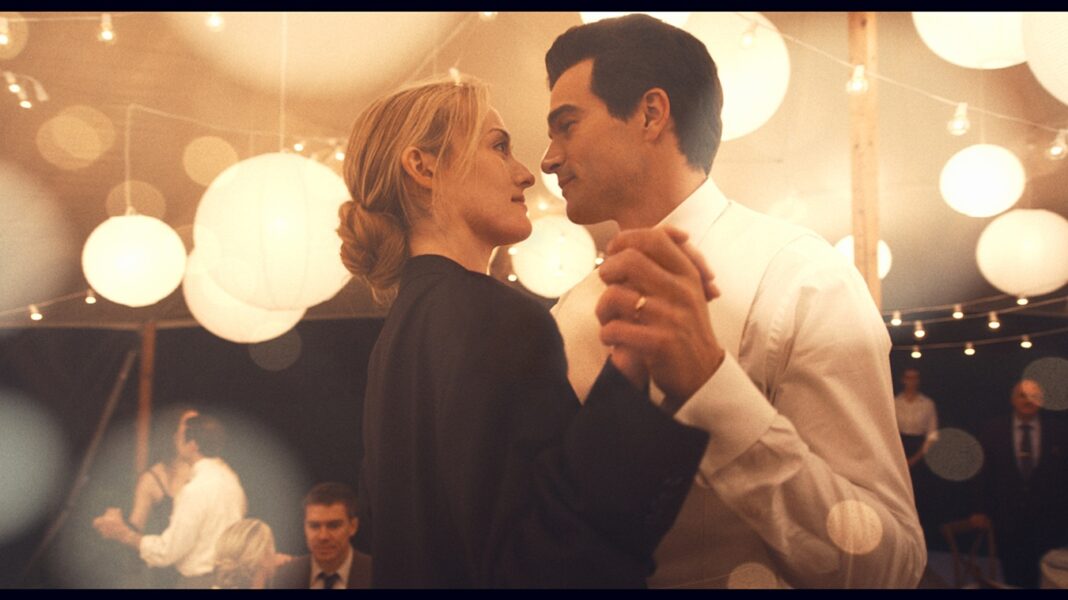
The strength of this show rests largely on the shoulders of its two leads. This is the first major TV role for Paul Anthony Kelly, who imbues John Jr. with a playboy confidence tempered by a knowledge that he hasn’t achieved what everyone thinks he should have. He’s a terrific find, paired very well with Sarah Pidgeon, previously seen in The Wilds and Tiny Beautiful Things, who infuses Carolyn with individuality and personality as her resolve is continually tested by the exposure to fame and public scrutiny that her budding relationship brings. They play exceptionally off each other, conveying the passion that these two people from very different worlds felt and navigated away from the cameras while the whole world was speculating on what was truly happening between them.
The ensemble also features memorable turns from Murphy regular Naomi Watts as Jacqueline Kennedy Onassis, who commands great influence in John Jr.’s life, and Grace Gummer as his sister Caroline, who leads a far more outwardly serious and buttoned-up life than her brother. This is a story with many worthwhile angles and subplots, spending time almost exclusively in the immediate run-up to this relationship and its intense moments rather than featuring extensive flashbacks or seen history. Whether each scene happened exactly as it’s portrayed (this show doesn’t pretend that they all did) isn’t as important as the grander focus on this couple’s love and the tragedy of their lives being cut short.
Almost three decades after Murphy’s first foray into television with Popular, he demonstrates a continued aptitude for the format and its evolving nature. While TV certainly looks different than it did back then, this series – which is set around that time in the mid-1990s – appropriately feels very much like a product of that time. Finding interesting stories to tell is part of the job, and Murphy’s team of producers, namely creator Connor Hines, smoothly does the rest, ensuring that the packaging makes it appealing as a time capsule that new audiences who weren’t alive or old enough to be paying attention then can still discover. This first edition of Love Story is a window into a relationship and a moment in time that takes an already sensational and enrapturing tale and transforms it into very watchable television.
Series grade: 7/10