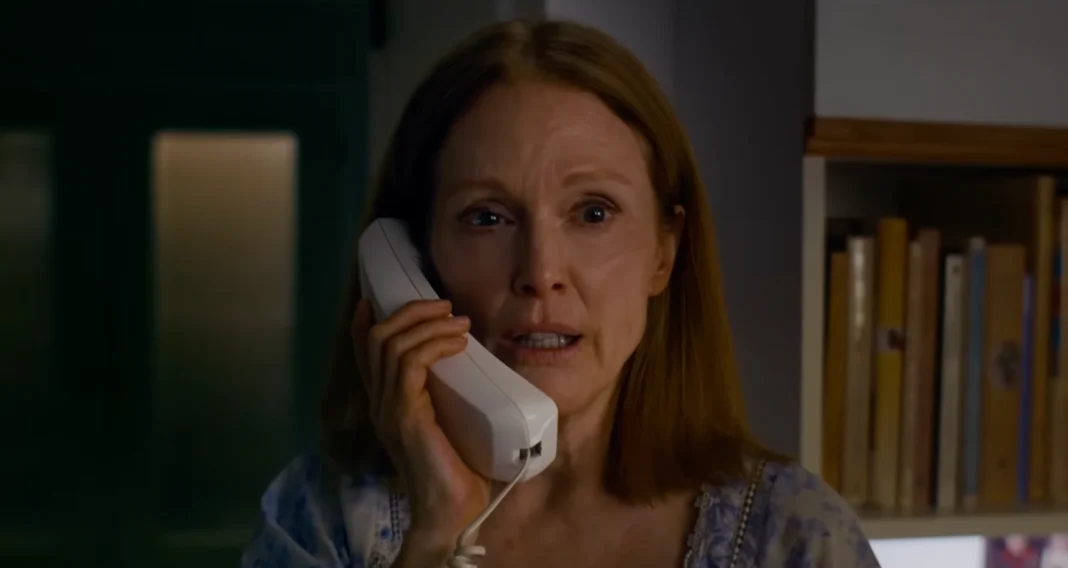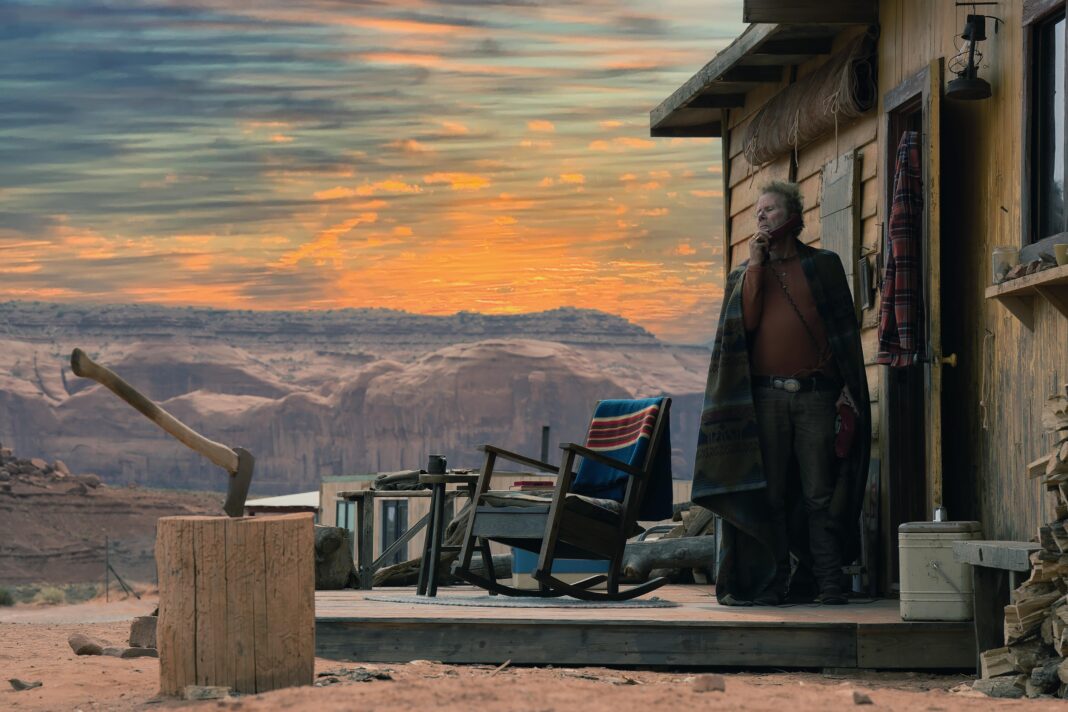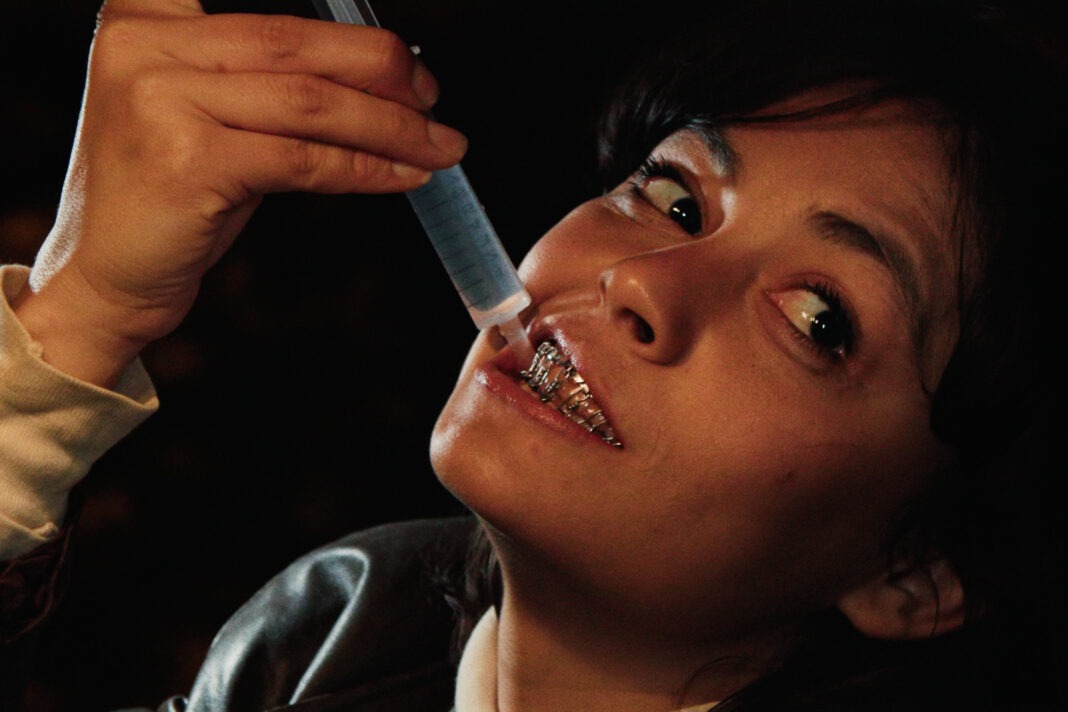
There’s something wonderfully scrappy about Lockjaw, Sabrina Greco’s indie comedy-drama about one very bad night, one very wired-shut jaw, and a young woman who seems determined to make absolutely every situation more complicated than it needs to be.
Set in Los Angeles in 2023, with the same spirit of a 1990s indie film, Lockjaw feels like the kind of movie you might stumble across late at night and immediately think, “How did they get away with making this?” In the best possible way. It’s quirky, uncomfortable, funny, occasionally painful to watch, and filled with characters who seem to have wandered in from completely different emotional universes.
At the center of it all is Rayna, played by Blu Hunt, whose jaw has been wired shut for six weeks after a drunk-driving accident she caused. She has promised her boyfriend Mitch, played by Colin Burgess, that she’ll stay sober. Naturally, the first thing Rayna wants to do is go out.
That contradiction is essentially at the heart of the movie.
Rayna desperately wants to behave as though nothing has changed, even though everything has changed. She can’t drink. She can barely talk. She can’t eat normally. She’s carrying the guilt of an accident around with her. And yet she wants to party, flirt, smoke cigarettes, and pretend she’s still the same person she was before the crash.
Watching Blu Hunt navigate all of this with an immobilized jaw is one of the movie’s biggest pleasures. Seriously, how do you deliver an entire performance when your mouth is wired shut? Hunt figures it out. Her physical performance does so much of the heavy lifting, from the frustrated expressions to the little movements and gestures that communicate what Rayna can’t articulate. Her jaw becomes both a literal obstacle and a visual representation of everything she is emotionally unable to say.
And somehow, she still manages to be funny.
Rayna’s night begins innocently enough, with Mitch and their friend Noah joining her for a night out. There’s an unmistakable tension among the trio, because both guys seem to have feelings for Rayna, although her connection with Mitch feels more complicated and more deeply rooted. Nobody really knows what to do with those feelings, so naturally they all decide to go out together and make things worse.
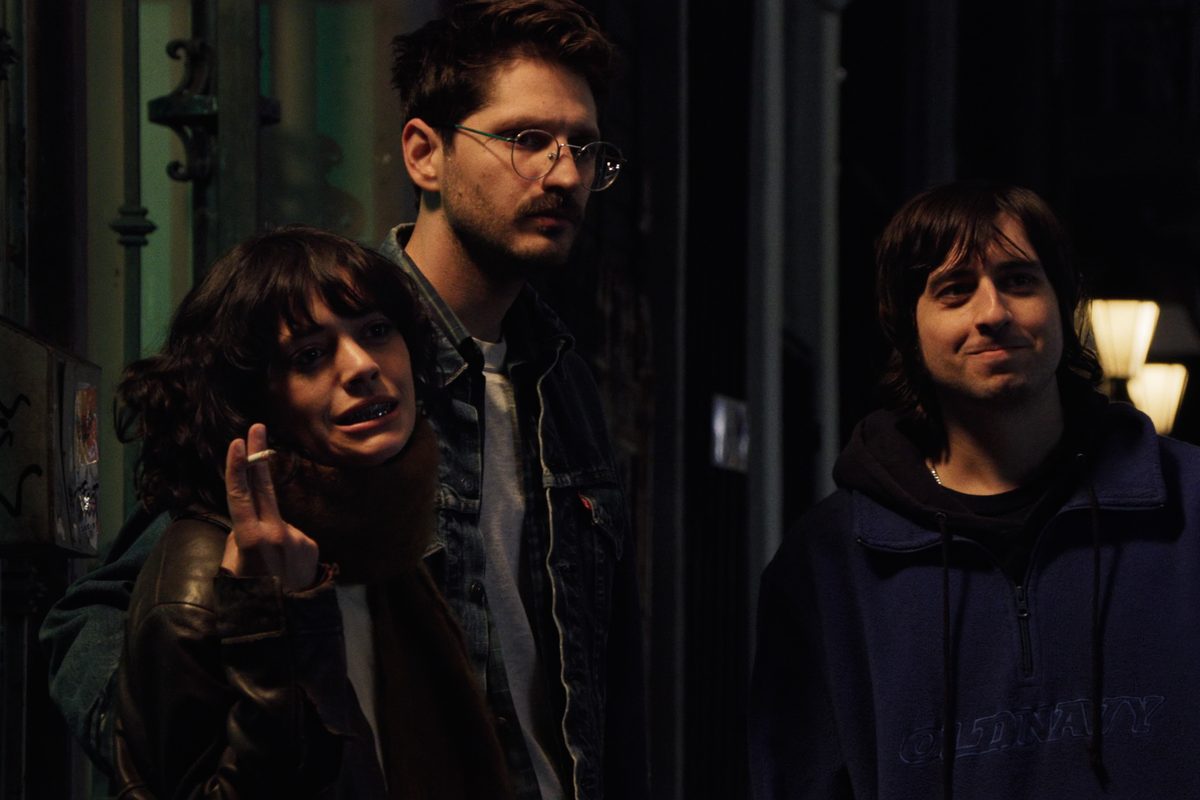
Then comes Robert, a mysterious local magician and mentalist played by Nick Corirossi.
Robert isn’t the cheesy top-hat-and-rabbit magician you might expect. His act is more observational, involving mind-reading and calling people out on their secrets. He exposes a lying employee, a cheating husband and eventually turns his attention toward Rayna.
Bad idea.
Rayna walks out.
From there, the evening takes a wonderfully bizarre turn. The group eventually ends up at Robert’s house, where his artist wife Cleo, played by Ally Davis, adds another unpredictable personality to an already combustible situation. The house itself is bizarrely decorated with clowns, Cleo’s art is everywhere, and the social atmosphere becomes increasingly uncomfortable.
And that’s where Lockjaw really finds its rhythm.
This isn’t a movie built around huge plot twists. Its tension comes from people saying the wrong thing, knowing too much about one another, hiding feelings, getting jealous and refusing to simply communicate. In other words, it feels painfully recognizable.
The funniest moments often come from Rayna’s jaw. Everyone keeps commenting on it, talking about it, asking about it and making it the center of conversation. In real life, you might hope people would have enough tact to leave it alone. In Lockjaw, absolutely nobody does.
Rayna’s attempts to communicate become increasingly absurd, particularly when Robert starts interpreting for her. There’s a wonderfully strange scene in which Robert is one of the first people to genuinely understand how frustrating it must be for Rayna to have something to say and physically struggle to get it out.
For all the awkwardness, there’s something surprisingly tender underneath it.
Mitch, meanwhile, is exhausted by Rayna’s behavior, and Burgess plays him with a terrific deadpan sensitivity. Their relationship has become a mess of affection, resentment, jealousy and blurred boundaries. Rayna treats him terribly at times, but it’s also obvious that she desperately wants him to stay.
The supporting cast helps keep the movie moving through its increasingly chaotic second half. Noah, played by Kevin Grossman, is caught between friendship and romantic jealousy. Annabelle, played by Sally Sum, enters the situation with her own obvious feelings for Mitch. Cleo and Robert have their own strange competitive marriage. Nobody seems emotionally equipped for the evening they’re having.
And then everything finally crashes together.
Rayna’s shame over the accident, her inability to communicate, her jealousy toward Annabelle and her complicated relationship with Mitch all converge. She eventually tells Cleo what happened through a combination of typing and painstaking communication. The accident, the DUI, the arrest, the wired jaw — all the things she has been trying to avoid become impossible to hide.
Cleo offers her some wine.
It’s a wonderfully loaded moment. Rayna has spent the entire movie being told that she shouldn’t drink, while simultaneously behaving in ways that suggest sobriety alone isn’t going to solve what’s happening inside her.
When she takes the wine, it spills down her chin and shirt, looking almost like blood.
“Do you feel better?” Cleo asks.
Rayna nods.
It’s funny, sad and uncomfortable all at once.
The movie then takes one last wonderfully strange turn as Cleo essentially turns Rayna’s trauma into a piece of performance art, recreating the night of the accident. It sounds ridiculous — and it is — but it also gives Rayna a way to confront something she has spent the entire movie running from.
By the end, the fighting starts to give way to something more honest. Noah apologizes to Mitch. Noah and Rayna reconcile. Rayna apologizes to Cleo. And, eventually, Rayna and Mitch find themselves standing together again.
After everything that happened, Mitch takes Rayna home.
Except Rayna doesn’t want to go home.
“Where do you wanna go?” Mitch asks.
She smiles.
And Lockjaw ends on exactly the right note: not with everything magically fixed, but with the possibility of another night, another chance, another terrible decision or maybe — just maybe — something better.
That’s what makes Lockjaw such a fun little indie romp. Beneath all the cringe, awkward flirting, bizarre magic tricks, and a locked jaw is a movie about people who desperately want connection but keep sabotaging themselves in the process.
Greco’s film has the loose, lived-in quality of a 1990s indie comedy, with a gritty Los Angeles nightlife atmosphere and an almost improvisational energy. It’s not afraid to let scenes breathe or allow conversations to become awkwardly long. At times, that minimalist approach can make the film feel slow, but it also gives the characters room to behave like actual messy human beings instead of plot devices.
And Blu Hunt is the secret weapon.
Rayna is difficult. She’s selfish. She’s funny. She’s frustrating. She’s wounded. She’s the friend everyone has known at some point — and, if we’re being honest, probably the friend we’ve occasionally been ourselves.
Lockjaw understands that sometimes the people making the biggest mess are the ones who are hurting the most.
It’s weird. It’s scrappy. It’s uncomfortable. It’s funny.
And somehow, underneath that locked jaw, it has a lot to say.