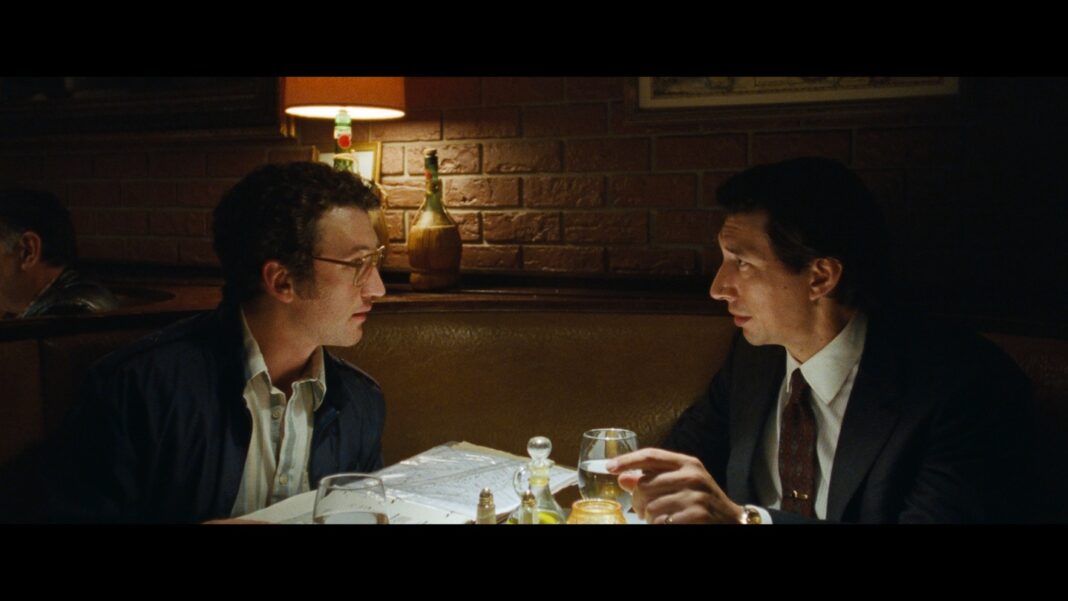
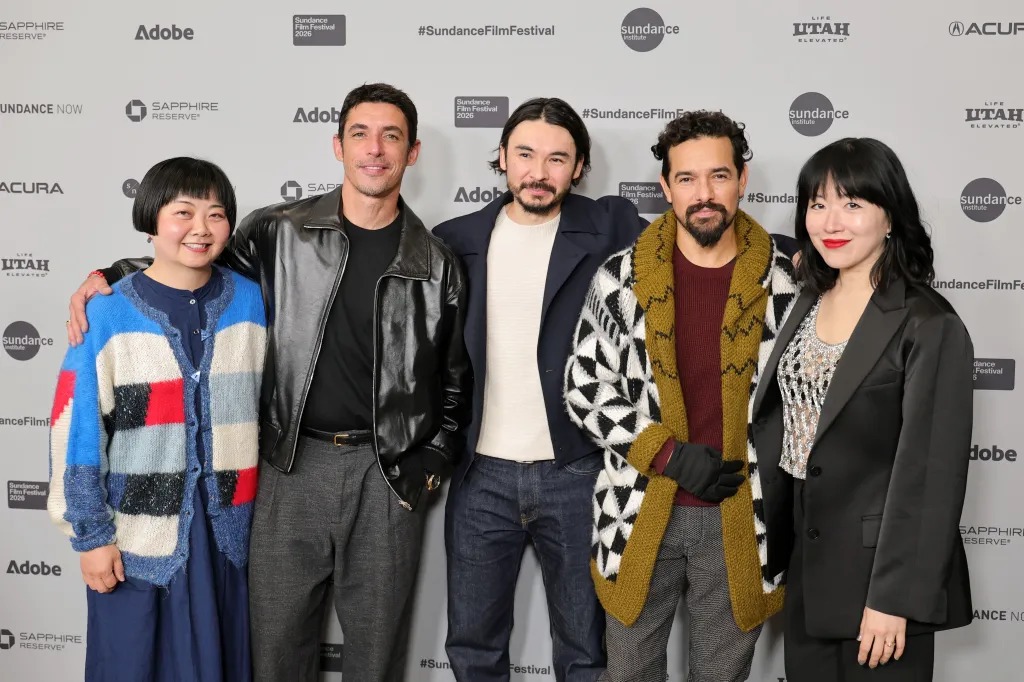
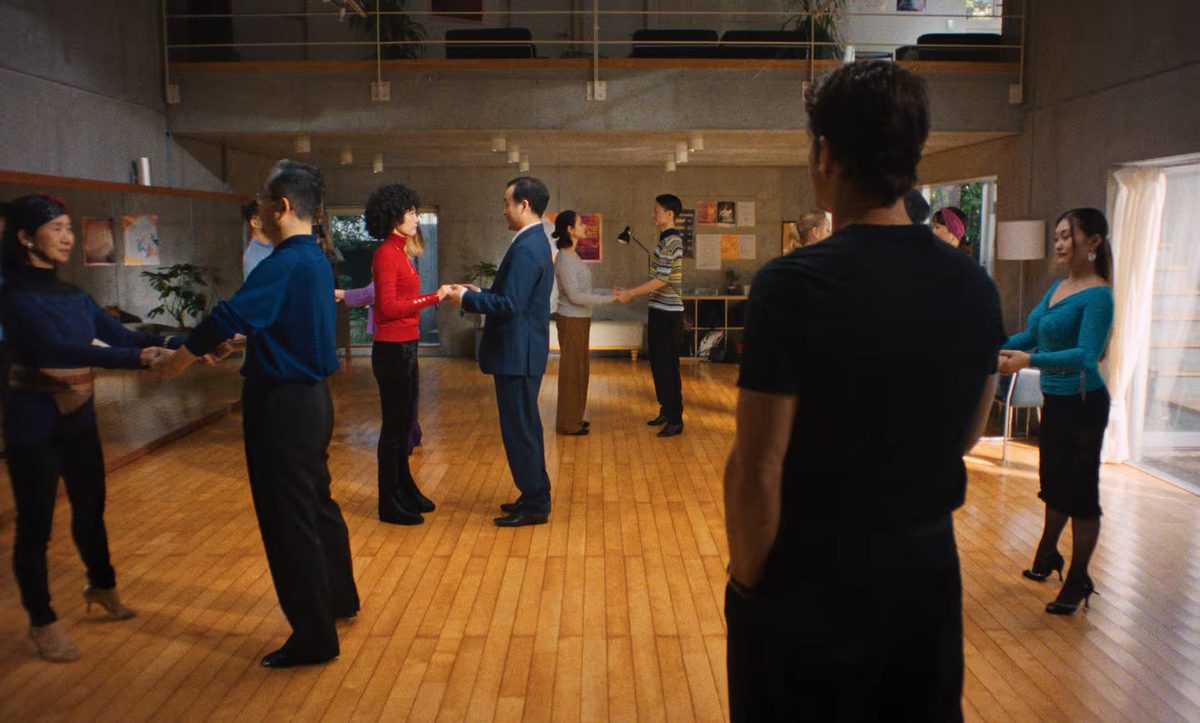
New in theaters this weekend is the film, Ha-Chan, Shake Your Booty! Starring Academy Award
Nominee Rinko Kikuchi and directed/co-written by Josef Kubota Wladyka, the story follows Ha-
Chan, an amateur ballroom dancer who experiences great loss and tries to find a way to cope
and somehow continue on in life.
With the assistance of Rinko’s Japanese translator, I spoke with these two leading filmmaking
creatives, as we discussed the story’s inspiration, the power of dance and their hopes that
moviegoers will ultimately take away from the central protagonist Ha-Chan’s journey on-screen.
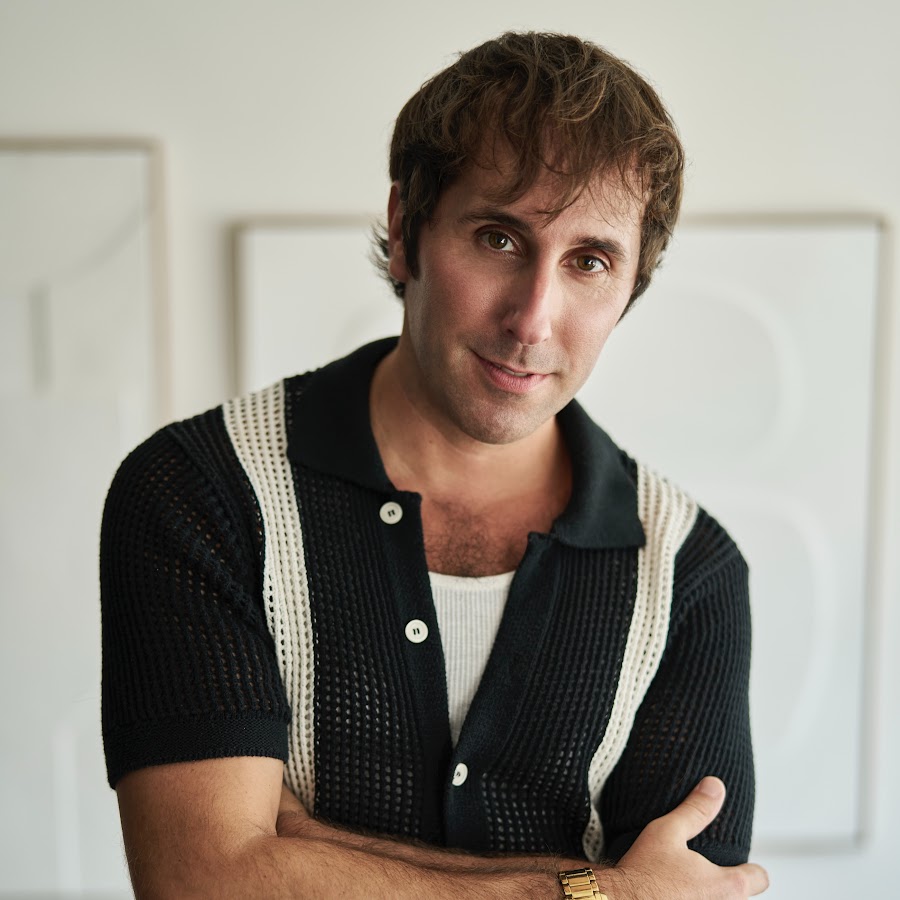
Josef Kubota Wladyka – Director and Co-Writer
Jeff: This film, correct me if I’m wrong, is inspired by your mom, who’s now in her early 80s and still ballroom dancing. Is that right?
Josef: Yes, correct.
Jeff: What was it about her journey and her approach to dance that inspired Ha-Chan’s story as she navigates love and loss?
Josef: The film is a love letter to my mom. It’s an homage to her. It’s not a biographical film; it’s a love letter to her spirit, her love of cinema, and her love of dance. If I hadn’t grown up around that, I don’t think I would have become a filmmaker. That was always the baseline of the film.
Jeff: Has your mom seen the entire film?
Josef: Yes, yes, yes.
Jeff: What did she think? Did she give you any specific feedback?
Josef: She loves it. Of course she loves it. She thinks the dancing is great. None of the actors had ballroom dancing experience, but she thinks they did a wonderful job. She always talks about how Alberto Guerra did such a great job playing an instructor, because so much of that comes down to confidence—making it seem like you really know what you’re doing.
She thinks it’s a heartwarming film and that audiences will really love it. She’s on Facebook promoting it.
Jeff: Rinko gives an outstanding performance. Were there moments during filming when she exceeded even your expectations? Do you remember watching a scene and thinking, “I knew Rinko was a great actress, but look what she’s doing here”?
Josef: Oh, yeah. There are so many. I could give Rinko her flowers all day long. I’m grateful to have worked with an actor of her caliber. It’s such a privilege to work with someone who has such control of her craft.
What I loved about her was how committed she was. She really went for it. The film walks a very fine tonal line, and she’s really funny. At the same time, she can be so powerful and emotional. She brings all of that together in a single beat.
There were many times on set when we’d be watching the monitor and find ourselves laughing and crying within seconds of each other. She blew me away numerous times.
Jeff: I have a question I love to ask actors, as well as writers and directors. I asked Rinko this, too: If you could speak to Ha-Chan after seeing her journey in the film and offer her advice, a warning, or a comforting message, what would you say?
Josef: To Ha-Chan, the character?
Jeff: Yes.
Josef: She’s 46 in the film, I think. I’d tell her, “Listen, life is long. You’re going to face more hardship. You’re going to lose more people in your life. But never, ever stop dancing.”
Rinko Kikuchi, Actress and Executive Producer
Jeff: This is such a fun, beautiful film. I left the theater with a smile on my face.
Rinko: Oh, thank you.
Jeff: What was it about Ha-Chan’s journey to find joy after loss that drew you to the role? What made you feel you could take on that challenge as an actor?
Rinko’s translator: There are so many layers to this film, and that’s what drew her to it. The character is inspired by the spirit of Josef’s mom, so portraying someone rooted in a real person was an interesting challenge for her.
Jeff: After making this film, do you feel a greater love for dance? Has the experience changed the way you think about grief?
Rinko’s translator: She’s glad she learned to dance for the film because she’s working on another project in Japan that involves dancing. After spending months training for this role, she can learn the choreography much faster than everybody else. She’s pretty happy about that.
As for grief, it’s something everyone experiences. People can recognize that feeling and empathize with it.
Jeff: What does it mean to you to play a Japanese lead character in a film being shown to North American audiences?
Rinko’s translator: Film allows people from different cultures, speaking different languages, to share an experience. Through a story, you can empathize with someone else’s life. In that moment, it’s almost as if you’re linking hands. That’s very satisfying for her as an actor.
Jeff: After following Ha-Chan through the highs and lows of life after loss, what do you hope audiences carry into their own lives?
Rinko’s translator: She hopes people come away believing that there is always hope in life. Some experiences can be so painful that they seem impossible to overcome. But even small interactions with other people can give you the energy and hope to keep going.
Tomorrow is another day. You can sleep, wake up, and find something to look forward to. That’s what she hopes people take from the film.
Jeff: Lastly, if you could speak to Ha-Chan after portraying her journey and offer her advice, a warning, or a comforting message, what would you tell her?
Rinko’s translator: In real life, you wouldn’t necessarily be flying through these experiences while ballroom dancing. But Ha-Chan experiences them that way, and Rinko would tell her to enjoy it—to really let herself enjoy it.
Ha-Chan, Shake Your Booty! is now playing in theaters.