Last month, I had the absolute privilege to sit down with legendary casting directors Tiffany Little Canfield and Bernard Telsey for in-depth conversation that pulled back the curtain on the casting process across stage and screen.
In this project centric discussion, Canfield and Telsey share exclusive insights into the upcoming stage adaptation of The Greatest Showman, reflect on Ella Hunt’s memorable audition for Wicked that ultimately led to her being cast on an upcoming television series, and how their collaborative work with director Jon M. Chu shaped and elevated the casting process.
The conversation also delivers practical and no-nonsense advice for actors who are trying to get a call back, including how to prepare with intention, make strong creative choices, and leave a lasting impression when it comes to doing an audition. The conversation was one of my personal favorites of the season and I think is an essential listen for actors, creatives, and anyone interested in how casting comes together behind the scenes.
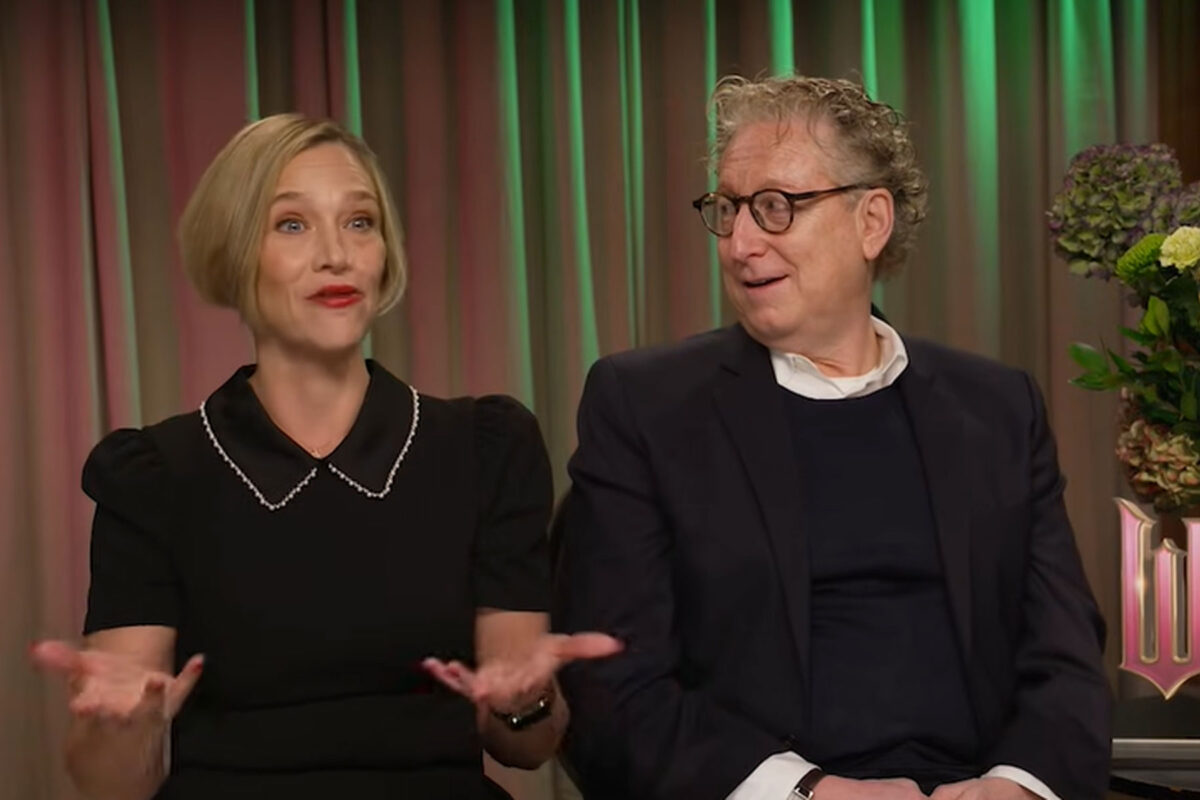
For those who don’t have time to watch the full interview below, here are five key takeaways:
When asked what he looks for in an audition, Telsey offers a vivid and quotable metaphor, comparing auditions to blind dates. The actors who move forward are the ones who create an immediate visceral pull—emotionally, dramatically, or vulnerably—that makes him want to lean in and know more
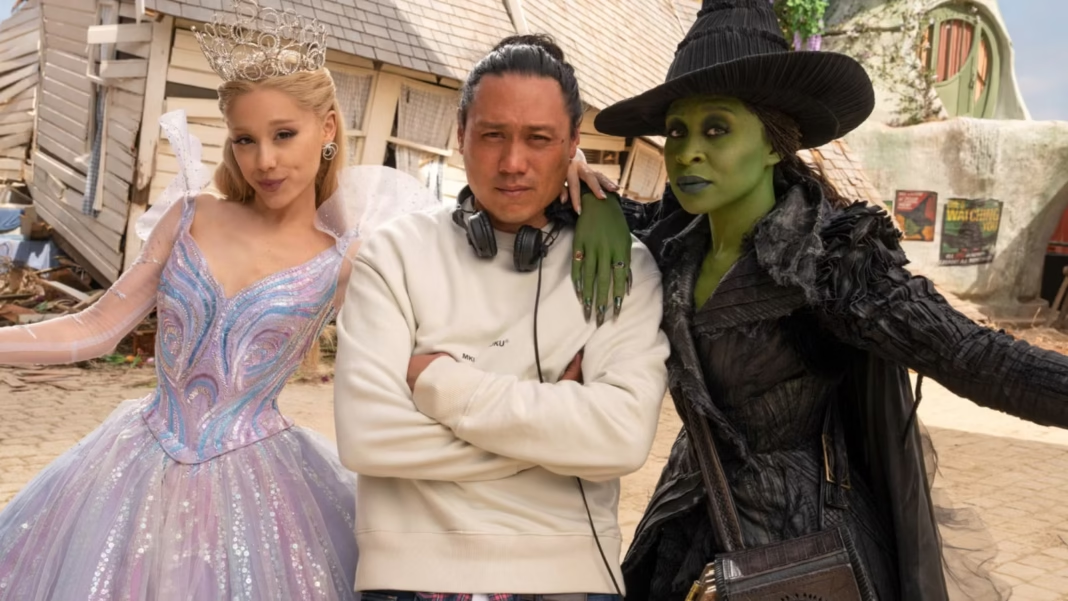
Canfield and Telsey spoke highly of Jon M. Chu as a collaborator, emphasizing his curiosity and openness. Rather than simply approving or rejecting choices, Chu wanted to understand why a performer resonated, drawing on the casting team’s broader knowledge of an actor’s work and instincts. The collaboration was described as constant, fluid, and deeply engaged.
In discussing Ella Hunt’s Wicked audition, Canfield provides one of the interview’s clearest insights into modern casting philosophy. She explains that auditions are rarely about success or failure, but about nuance, storytelling needs, and alignment with the character’s essence. She also stresses the responsibility casting directors feel to protect actors in an era where self-tapes can go viral and be mocked online
Canfield stresses the importance of craft, scene work, and interesting choices, while also noting that casting requires flexibility. Different roles demand different qualities, and no single standard applies universally. This reinforces casting as both an artistic and adaptive discipline
Telsey reveals that Wicked’s casting process was unusually expansive. Jon M. Chu and Marc Platt gave the casting team over a year to see everyone—from established film and pop stars to unknown performers—without studio requirements dictating choices. This allowed the process itself to determine the final casting, rather than preconceived notions of marketability
Watch the full interview below: