There’s good reason for people to be paranoid when it comes to technology. So many opportunities to make things more efficient and enable consumers to go about their daily business without carrying physical identification or money come with strings attached, namely that the companies creating that convenience are also collecting data in the process. As technology becomes more advanced and sometimes frighteningly capable, The Capture, now in its third season, evolves with it to deliver another suspenseful and invigorating take on the uphill battle humanity faces to maintain control in an increasingly manipulatable world.
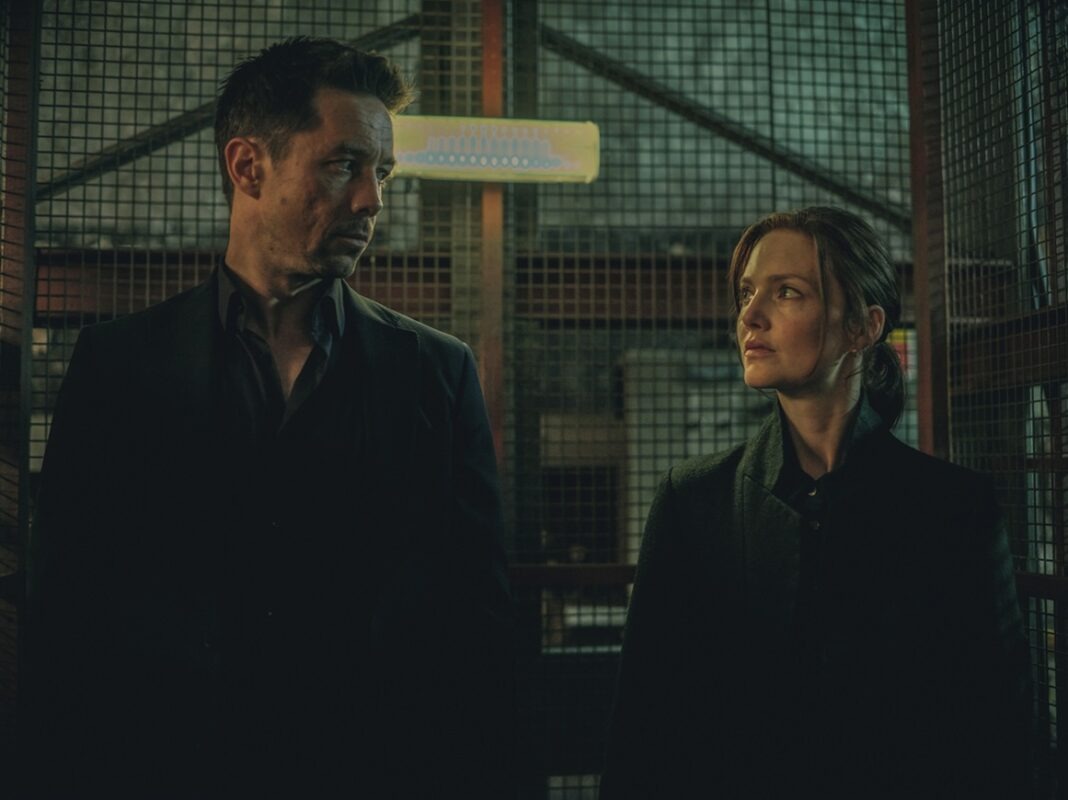
Rachel Carey (Holliday Grainger) is now heading the intelligence division tasked with combating Correction after going public with its frequent and pervasive usage, supported by Home Secretary Isaac Turner (Paapa Essiedu) in that mission. The launch of the much-hyped Operation Veritas system is interrupted by a devastating attack, and the worst part is that what Rachel saw happen in real time is contradicted by the surveillance footage she’s shown of the incident, renewing her fears about how Correction is being weaponized and forcing her to consider who she can trust in a sea of unknown enemies.
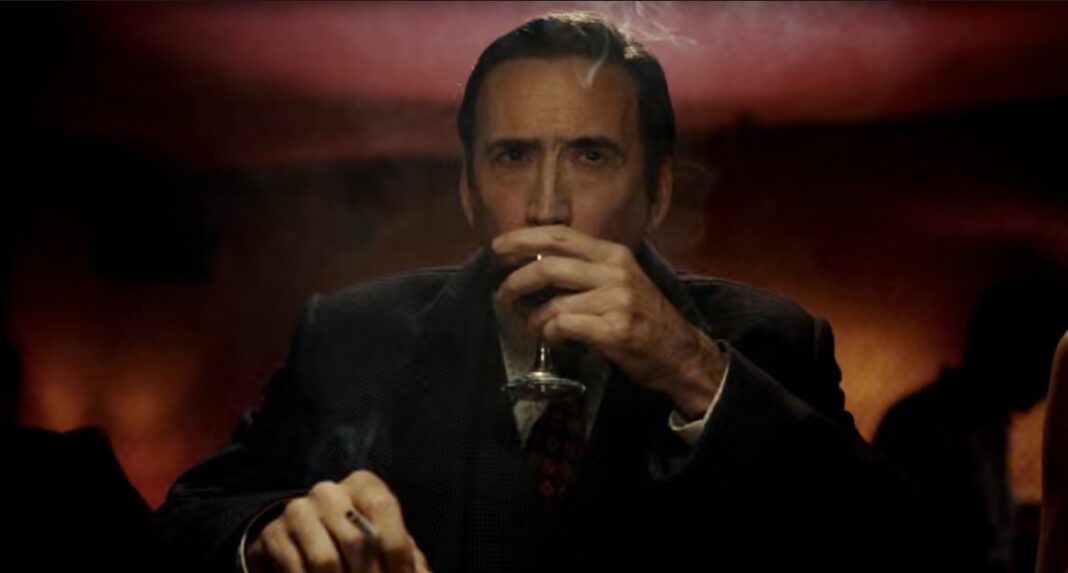
It’s been almost four years since the second season of this show debuted on Peacock, and many – including series star Ron Perlman, who plays CIA Station Chief Frank Napier – assumed that the show had concluded. While that season did wrap things up on a perfectly satisfactory note, having more of this very underrated British import is a true gift. While it builds a staggering nemesis in the form of this nefarious technology managed by equally villainous human operators, it always remains tightly focused on Carey and her small orbit as she tries to stay one step ahead of all those who don’t want her to expose what they’re doing so they can continue to lurk in the shadows and pull strings without anyone ever knowing they even exist.
Each season of this show thus far has had a different focus, with the first season centered on Shaun Emery (Callum Turner) as a suspect unable to comprehend how he was being shown evidence of what he had apparently done and the second bringing in Turner as a far more public-facing target who saw his words being changed and broadcast in real time. Season two also featured a memorable sequence where security cameras followed a literally invisible gunman approaching terrified marks, and season three puts a more definitive face on the threat, pushing Carey to confront a known and identifiable enemy who may be even more dangerous than what she is certain is out there but can’t quantifiably see.
Season three introduces a new colleague and supervisor for Rachel in the form of Noah Pierson (Killian Scott), who brings a deliberate and enticing unreadability to the character. There are plenty of familiar faces to be found in the ensemble, with Essiedu, Nigel Lindsay, Ginny Holder, Lia Williams, Ben Miles, Indira Varma, and Perlman all returning for portions or all of the season. Grainger remains a dependable and formidable lead whose particular energy serves this show very well, more poised and daring than some might be in this situation but also keenly aware that her career and life are both very much in critical danger at nearly every moment.
Catching up on the first two seasons of this show shouldn’t be much of a challenge for new viewers, especially since each season has been released all at once, encouraging a six-hour binge. But the good news is that season three should be perfectly accessible to newcomers without any previous knowledge of this show or its world, offering just enough murky background for each character to give audiences sufficient context for who they are. Almost six years after season one first made it to the United States, this show remains as gripping and captivating as ever, tapping into the increasing trends of surveillance and data manipulation and producing something riveting and chilling in the best way.
Season grade: 8/10