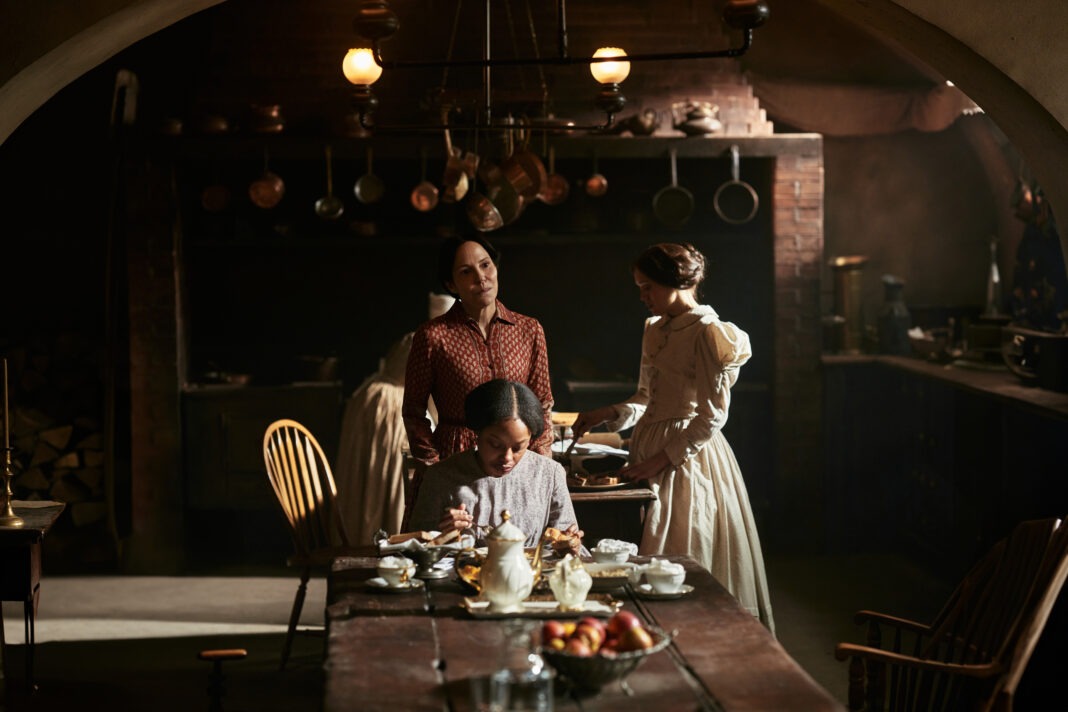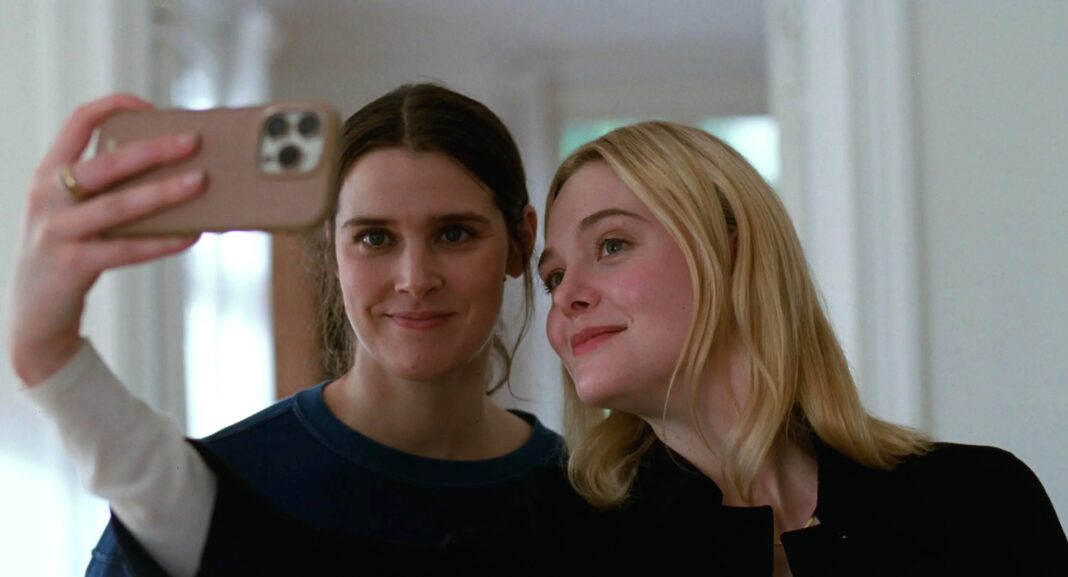
After championing Sentimental Value since its premiere at Telluride, I was excited to sit down with one of the film’s casting directors, Yngvill Kolset Haga, to discuss the collaborative process behind assembling such a remarkable ensemble. From working alongside director Joachim Trier to helping elevate well-known and emerging talent, Haga played a pivotal role in shaping a cast that feels like an actual real life family. In our conversation, we discussed everything from her discovering new voices to casting directors finally getting their flowers when it comes to the awards landscape.
Because we never know who will eventually read or watch our interviews, I always like to start with the questions: how would you describe your profession and what does being a casting director mean to you?
Being a casting director means helping the director make the best possible choices for each film, often in a very quiet or invisible way. We work closely with the director to explore alternatives, audition as many actors as needed, and create a safe and constructive space for actors to do their best work.
Whether it’s a self-tape or an in-person audition, we make sure actors have the information they need to deliver a strong performance. The process only works if actors are willing to fully engage with us, so it’s important to take them seriously and support them. At the same time, we are there for the director in a very focused and collaborative way. It’s about serving both sides of that creative relationship.
What is the collaboration process like when you’re casting a film?
It starts with reading the script. In this case, Joachim asked if I wanted to do the film. It’s the third film we’ve done together, which is always meaningful because you never know if a director will want to collaborate again.
For this project, he was already in discussions with Stellan Skarsgård, so I began focusing on the role of Agnes, which became the largest part of my work. We collaborated with A.V. Kaufman in the U.S. and a French casting director to ensure the international roles were handled with great care.
Joachim spent about six months deciding on Agnes. Meanwhile, I worked on supporting roles and her partner. Casting is like building a pyramid. You start at the top and build downward. Once you make a key decision, you can ask, “Who is the right husband for this Agnes?” Each choice influences the next.
With so many moving parts in a cast, how do you balance finding the right fit with discovering new talent?
That’s why time and resources are so important in casting. If you have a long and serious process, you can audition actors you don’t already know. That’s the only way I truly get to know someone—by seeing them in the room or through a self-tape.
Norway is a small country. We don’t have a large pool of major movie stars, and audiences don’t necessarily go to the cinema for one specific name. Joachim understands that, so if he doesn’t already have a clear plan for a role, he’s very open-minded.
For Agnes, we saw around 120 actresses. Watching that many interpretations of the same scenes helps the director refine his understanding of the character. I don’t think in terms of “perfect.” The final choice belongs to the director. The film could have been made with other actors, but it would have been a different film.
I’m very happy with where we landed, especially with Inga. She was more unknown internationally, and it’s exciting to see how audiences have responded to her.
Does it feel especially rewarding seeing audiences respond so strongly to her performance?
Of course. It’s always gratifying when you’ve done real, physical work in the room with an actor and then see that performance resonate.
Stellan, Renate, and Elle are already established and admired actors, so people naturally talk about them. But seeing Inga emerge as someone audiences are championing internationally is wonderful. For casting directors, it’s especially meaningful when you help elevate someone into a larger spotlight and it truly works.
When reviewing auditions, is there something that makes one performance stand out as unforgettable?
It’s difficult to define because acting and casting are not entirely concrete disciplines. Chemistry, feeling, and intuition play a large role.
With Joachim’s scripts, which are usually very close to shooting-ready, I tell actors that the text is not holy. It’s not carved in stone. If something doesn’t feel right, they can improvise or adapt it in a way that makes the scene work for them.
I appreciate actors who take responsibility for the scene. I also encourage them not to fear pauses. Pauses are part of dialogue. In auditions, especially in a stressful environment, actors sometimes rush. My role is to help them breathe into the material and own it before the director joins the process. In those early rounds, I’m effectively the director in the room.
Were most auditions for this film self-tapes or in person?
Because COVID restrictions were no longer an issue, most first rounds were in person. Actors from other parts of the country or those touring in theater would send self-tapes, which is a great tool because it allows broader access.
For smaller roles, we did a lot of improvisation. Some of these characters don’t have traditional dialogue scenes. In those cases, I create new situations in the room to help bring the character to life. Even if a role is small in the script, it is the lead of its own audition. That perspective helps the director understand the character beyond what’s written on the page.
Was there a moment in the audition process when you knew someone was absolutely right for the role?
I had a strong feeling about Inga. I already knew her work and what she was capable of.
I also felt strongly about the young boy who plays Eric, Agnes’s son. That was more of a discussion, but I believed in him. Recently, I attended an event where several people specifically mentioned his performance. That made me very happy because I truly love the charisma he brings. I also appreciate the visual dynamic—he’s blonde, like his grandfather, which adds another layer to the family portrait.
Have there been roles in your career that you really fought for?
Yes, there have been moments like that. But as a casting director, you can’t push too aggressively. Directors need to arrive at their decisions themselves. Sometimes they’ve told me afterward, “You were right—you pushed a little.”
With Joachim, I feel we have a strong collaboration. If he wants to see more options, it’s my job to provide them. Sometimes, after seeing many alternatives, he returns to the first person he saw. But that process reinforces that the original instinct was correct.
We ask everyone we interview this question: what film, television show, or performance this year deserves awards buzz?
I haven’t seen everything yet, but I would mention Chase Infiniti, who plays Leonardo DiCaprio’s daughter in One Battle After Another.
A Norwegian friend of mine cast her years ago in Presumed Innocent, the Apple TV+ series with Jake Gyllenhaal. I remember observing that process and seeing how U.S. casting works. It’s exciting to see her breaking through now. I loved her performance. She was very strong and compelling.
This is the first year casting directors will have their own Oscar category. Why do you think it took so long?
I don’t know why it took so long, but I know we are incredibly happy. It means a great deal in terms of recognition, especially in countries where casting directors don’t receive awards or much public acknowledgment.
This is my first time in Los Angeles for an Oscar campaign, and I feel very privileged to experience it. I’m also curious to see how casting directors will vote in the first round, because we watch films differently when evaluating casting. The upcoming months will be very exciting.
Watch the trailer for Sentimental Value below: