It’s all well and good to talk about making a difference, but it takes considerably more determination and a willingness to face potential repercussions to stand up and do the right thing. When someone speaks up for members of a community to which they do not belong, they may get questions or face backlash, but, especially in the case of a white person speaking up for people of color, they have an advantage in society which will – unjust as it is – enable them to reach a wider audience without being stifled. The subject of Jane Elliott Against the World has been doing this for more than half a century, and even as she’s getting older, she doesn’t plan to slow down anytime soon.
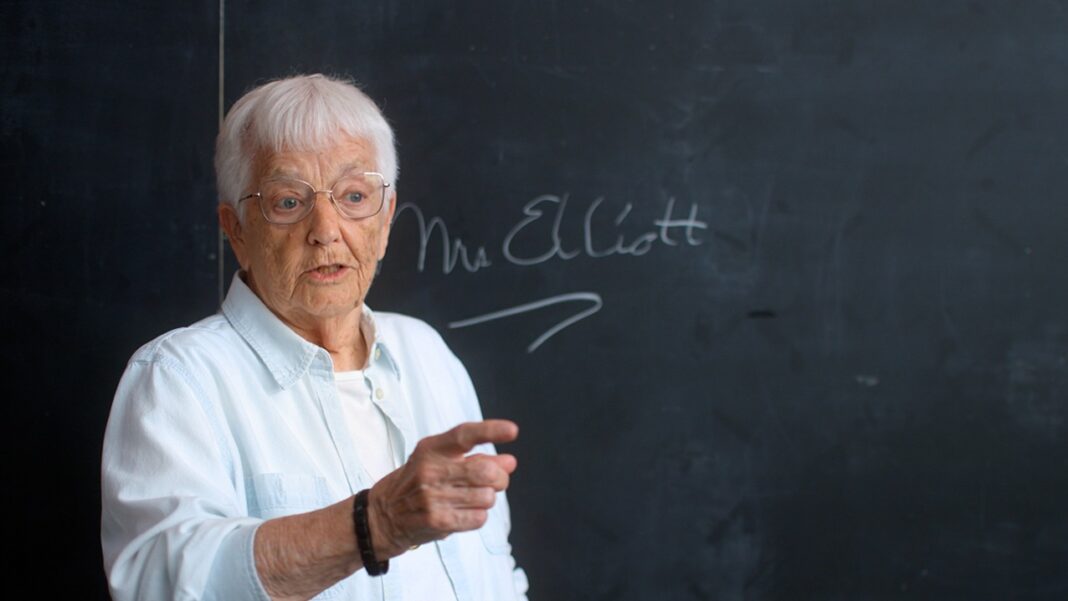
Jane Elliott first became known when she decided, in the wake of the assassination of Martin Luther King Jr, to divide her elementary school classroom into students with brown eyes and blue eyes for a lesson on discrimination. This educational tool had a nearly immediate effect on its participants but was also roundly condemned by those who thought she was indoctrinating children. Many years later, Elliott has appeared on national television many times and repeated her lesson with children and adults alike. She continues to stand firm in the universal responsibility of those with power to do more than just be a silent ally, and her recent battles include something closer to home: going up against a conservative-led effort to suppress inclusive curricula in Temecula, California, where her grandchildren live and went to school.
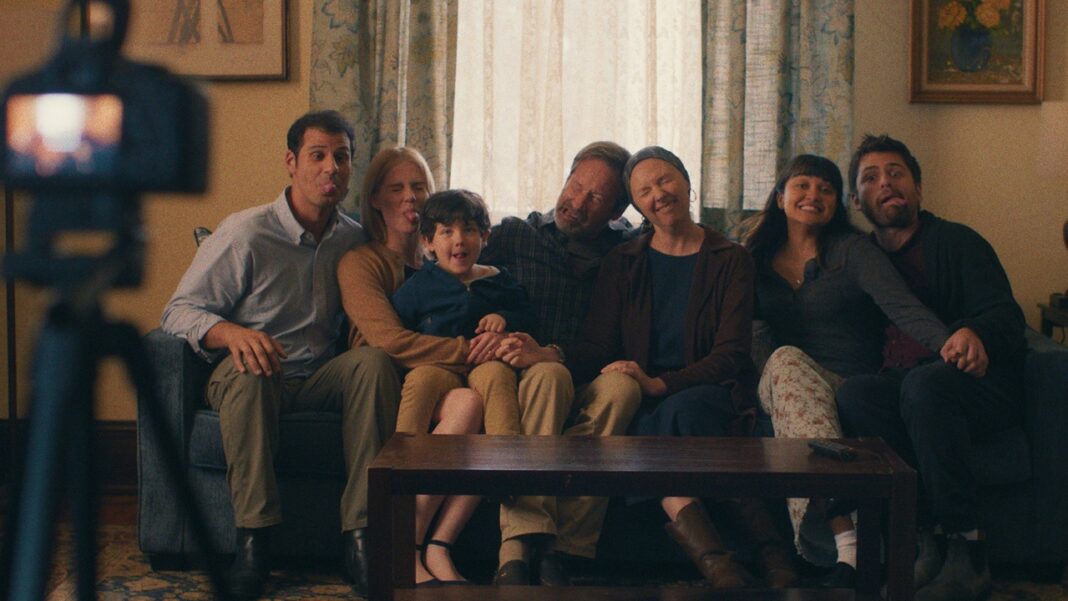
Elliott is a force to be reckoned with, and, now ninety-two years old, appeared virtually after the film’s Sundance premiere to insist that we shouldn’t even be using terms like black and white to describe people since they were invented by a vicar in the 1500s and we’re all just part of the human race. This film splits its time between seeing the impact of her work throughout her life and in the present day and looking back at her childhood and how she raised her children. There’s plenty to contemplate with the latter since, while she does have a relationship with her children, resentment still exists from how she prioritized her class and the work she was doing over them and their livelihood.
There’s no denying that Elliott is a character, and just listening to her talk for an hour and a half would have been sufficiently entertaining and educational. But filmmaker Judd Ehrlich knows just how to frame this story to make it even more enticing, opening with Elliott describing how she’s often called a bitch but that she interprets that as a much more flattering acronym. Her direct address to the camera is often hilariously blunt, and watching her interact with her family, including advising one relative to put more food in her mouth so she won’t keep talking, is often the same. She’s apologetic about very little, namely an inciting incident where she chose not to do the right thing which shifted her entire perspective early on, and defends her choices even if she knows that they’ve made like difficult for her offspring.
The additional focus on current events in Temecula shows how, unsurprisingly, this remains a present issue today, much more talked about but proudly decried as left-wing extremism by conservatives who don’t want anything going against “traditional family values.” This film presents an affirming charge to keep on fighting, and if Elliott’s actions and personality weren’t enough, the chance to hear from several of her third-grade students from that first blue-eye-brown-eye lesson. It’s evident how much of an impact she’s had on them so many years later, and this portrait of someone who very much walks the walk, even in her nineties, is a wonderful inspiration for achieving a new way of thinking that could actually approach something like equality and justice.
Movie Rating: 8/10
Jane Elliott Against the World premieres in the Premieres section at the 2026 Sundance Film Festival.