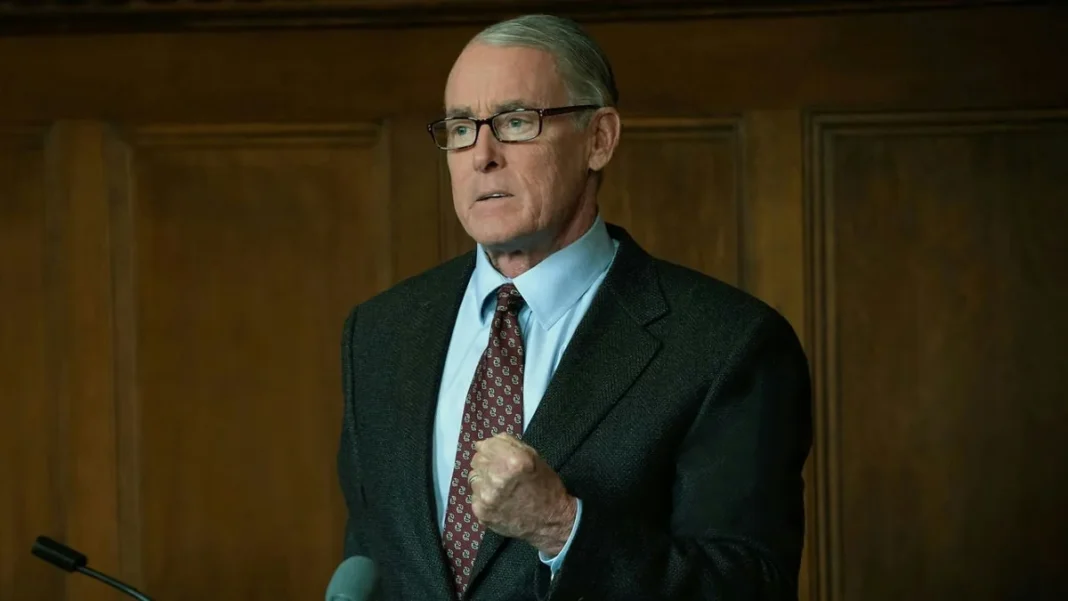
John C. McGinley has spent decades delivering unforgettable performances across film and television, but even now, he continues to evolve in surprising new ways. Whether audiences know him as Dr. Perry Cox on the beloved medical comedy Scrubs, the hilariously intimidating Bob Slydell in Office Space, or from acclaimed films like Platoon, Wall Street, and Seven, McGinley has built a career defined by intensity, emotional honesty, and scene-stealing charisma.
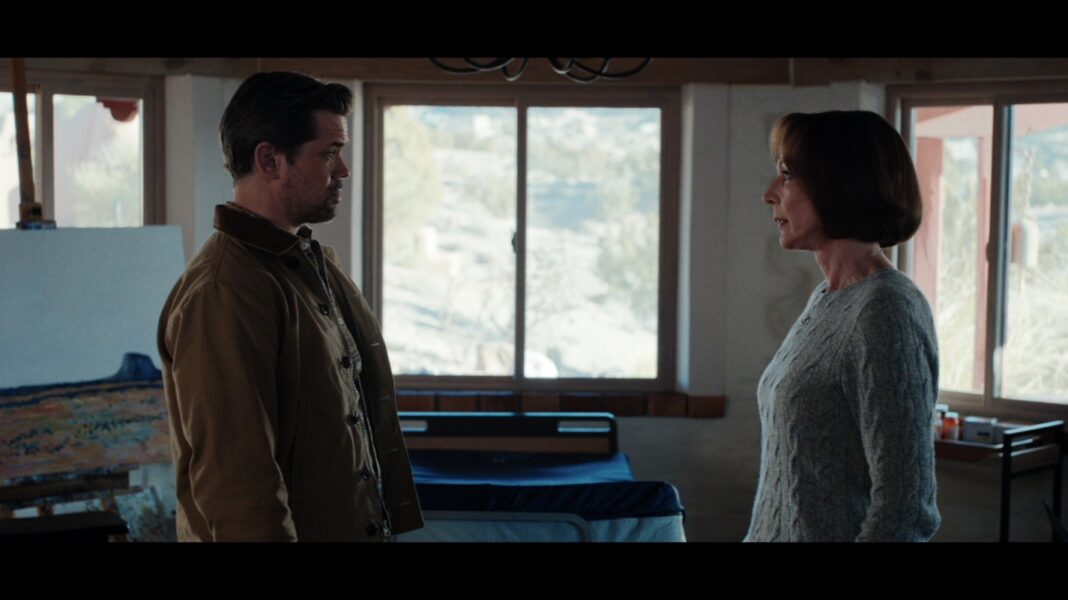
In 2026, McGinley is earning some of the strongest reviews of his career for his performance as Walt Mann in Rooster, the latest series from acclaimed creator Bill Lawrence. The role marks a major departure from the explosive energy of Dr. Cox, allowing McGinley to tap into something far more restrained, vulnerable, and deeply personal. During a wide-ranging conversation with Awards Buzz’s Scott Menzel, McGinley discussed the emotional core of Rooster, revisiting Scrubs, his passion for film history, the changing television landscape, awards campaigns, and the surprising emotional impact of fan conventions.
Scott Menzel: To start this off, and I mean this sincerely, it’s crazy how iconic of an actor you are. I was preparing for this interview and thinking I’d stay focused on Rooster and Scrubs, but immediately the first thing that popped into my head was Office Space.
John C. McGinley: Of course. The two Bobs.
Scott Menzel: I imagine that has to be one of the roles people bring up to you the most on the street?
John C. McGinley: You know, Scott, it depends. It’s all demographic. People my age bring up Platoon and Wall Street. Your demographic, and you told me you’re 43, probably leans more toward The Rock and Office Space. Then in different communities it’s Set It Off or Talk Radio because people want to be in on the Eric Bogosian of it all and show how sophisticated they are. It’s fascinating where people emotionally connect with different things I’ve done.
Scott Menzel: And just by naming all of those projects, you kind of proved my point because you didn’t even mention Scrubs.
John C. McGinley: No, and I didn’t mention Seven either. And now there’s Rooster, which occupies this really interesting niche. I can’t quite put my finger on it, but there’s this very Silver Lake demographic that’s really connecting with it.
Scott Menzel: To be completely honest with you, I actually like Rooster more than Scrubs. There’s something about the writing and the way these characters are written that feels a bit outrageous but still incredibly grounded. Walt especially has this wonderful arc where he constantly has to play ball politically, but at the same time he has this huge heart underneath all of it.
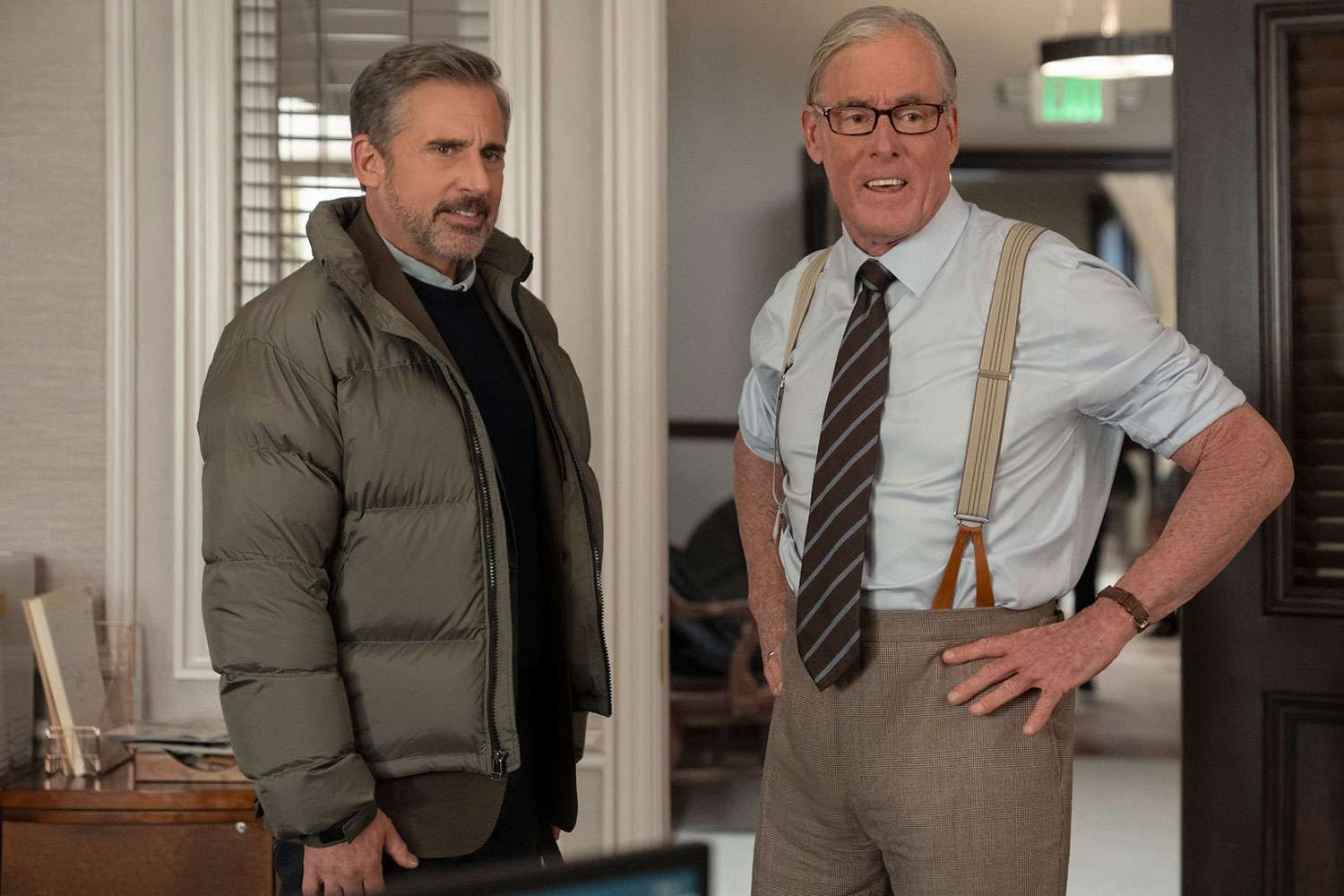
John C. McGinley: I think this is a guy who is shoulder deep in this male loneliness epidemic everybody keeps talking about. Billy Lawrence really explored that through Walt. He’s running a small liberal arts college, the plates are constantly spinning, and he feels like he can’t afford vulnerability because he equates loneliness with weakness.
Then Billy writes this incredible scene where Walt finally tells Steve Carell’s character that he’s deeply lonely, and Steve responds with, “Yeah, Walt, you’re a lot.” It completely undercuts the weight of the moment in the best way possible. That’s great writing. Billy knows how to pivot emotionally without ever becoming saccharine.
On Bill Lawrence and the Emotional Core of ‘Rooster’
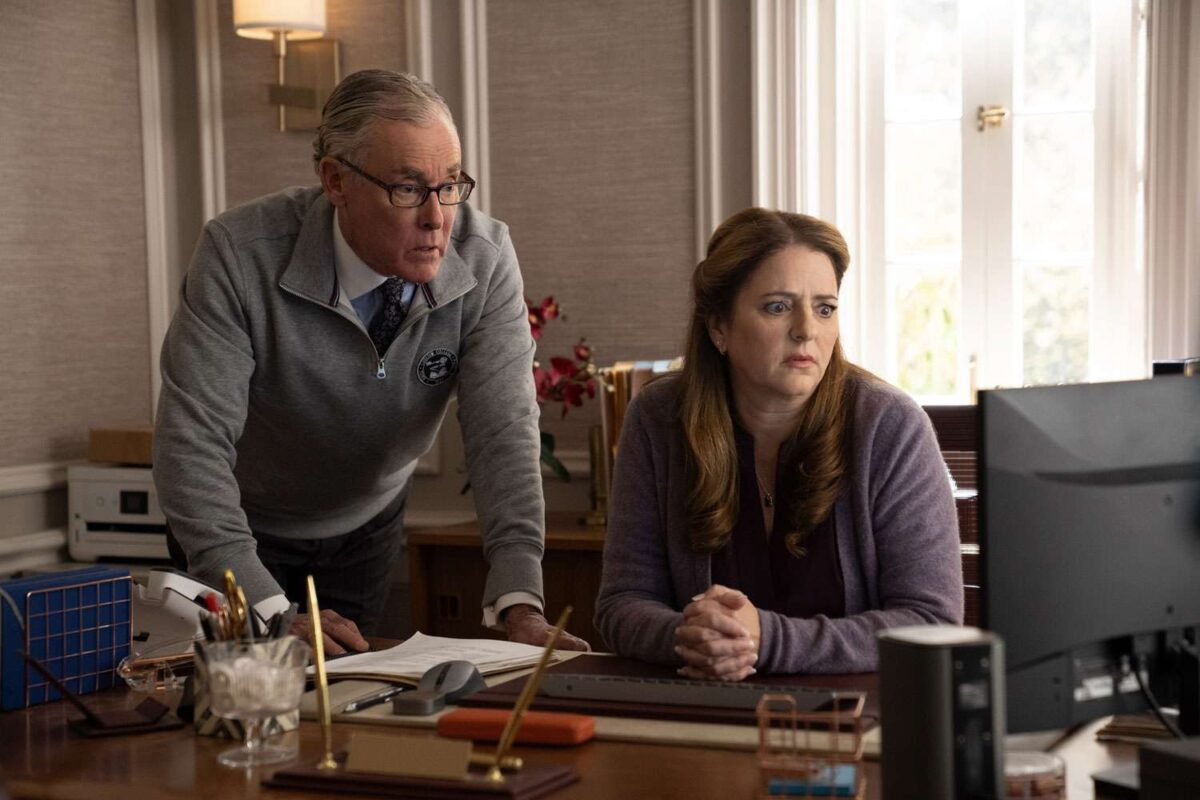
Scott Menzel: It’s wild because Bill Lawrence basically has three different shows in the awards conversation this year. What makes him such a special collaborator?
John C. McGinley: He’s a unicorn. Truly. He’s the Norman Lear of his generation. Billy isn’t afraid to tell a joke, do a pratfall, and then make you cry. Very few writers can do that.
What’s fascinating is that when we started Rooster, Billy told me he wanted to “steal my life” for the character. We spent a summer together reconnecting while he was taking a break from Ted Lasso, and one day in the sauna he pitched me both Rooster and the Scrubs revival at the same time.
I honestly thought it was too good to be true.
Then he explained that Walt Mann was essentially going to be me. Not some heightened character version of me. But ME.
That terrified me because actors usually hide behind accents, mannerisms, physicality, all these little tricks that create distance between themselves and the character. Billy stripped all of that away.
So I wrote a five or six-page manifesto about loneliness and my own relationship to it. I sent it to Billy and Matt Tarses, and instead of ignoring it, they integrated it deep into the character.
That kind of trust makes actors want to run through drywall for you creatively.
Scott Menzel: You spoke so passionately about that. It really feels like this role resonated with you more personally than almost anything else you’ve done.
John C. McGinley: It’s not part of me. It is me. That’s not semantics. That’s my truth.
For actors who trade on insecurity and fear, that’s a terrifying ask. Most actors would run from that challenge. I had to sit with it for a long time and really ask myself if I had the spine to open myself up like that.
Scott Menzel: I got chills when you said that because you can absolutely see it in the performance. As the season progresses, Walt starts coming to terms with himself and how his actions affect the people around him. It’s such a deeply layered performance.
John C. McGinley: I’m not Dr. Cox. Dr. Cox is a hurricane. He’s a whirlwind. He’s tougher than I am. Smarter than I am. Walt is restrained, and Billy specifically told me he wanted restraint from this character.
That was a delicious challenge because even me operating with restraint is still “a lot,” as Steve says in the sauna scene. But Walt and Dr. Cox exist in completely different universes.
Revisiting ‘Scrubs’ and the Current State of Television

Scott Menzel: I do want to jump over to Scrubs for a second. In an era of constant reboots and revivals, was it gratifying seeing how quickly audiences embraced the return of Scrubs?
John C. McGinley: Absolutely. Especially because people love taking shots at season nine, which I still think is unfair. Billy made that season during a recession and gave over a hundred people jobs. There were incredibly talented people involved in that cast.
But this revival felt special. Zach Braff really drove it creatively, and everybody immediately fell back into rhythm. Donald, Sarah, Judy, Zach. Everybody.
Getting invited back for season two? That’s the stuff dreams are made of.
Scott Menzel: The television landscape now is so bizarre though because there’s just this overwhelming amount of content. Even as someone who watches television professionally, I look through Emmy submissions and think, “What even is this show?”
John C. McGinley: I know, but there’s another side to it too. Networks and streamers are basically throwing content at the wall hoping something sticks. That’s how pilots used to work too.
But every once in a while something genuinely unique breaks through. David Harbour in DTF is one of the greatest performances I’ve ever seen. I can’t stop thinking about it.
On Film History, Acting, and the Modern Industry
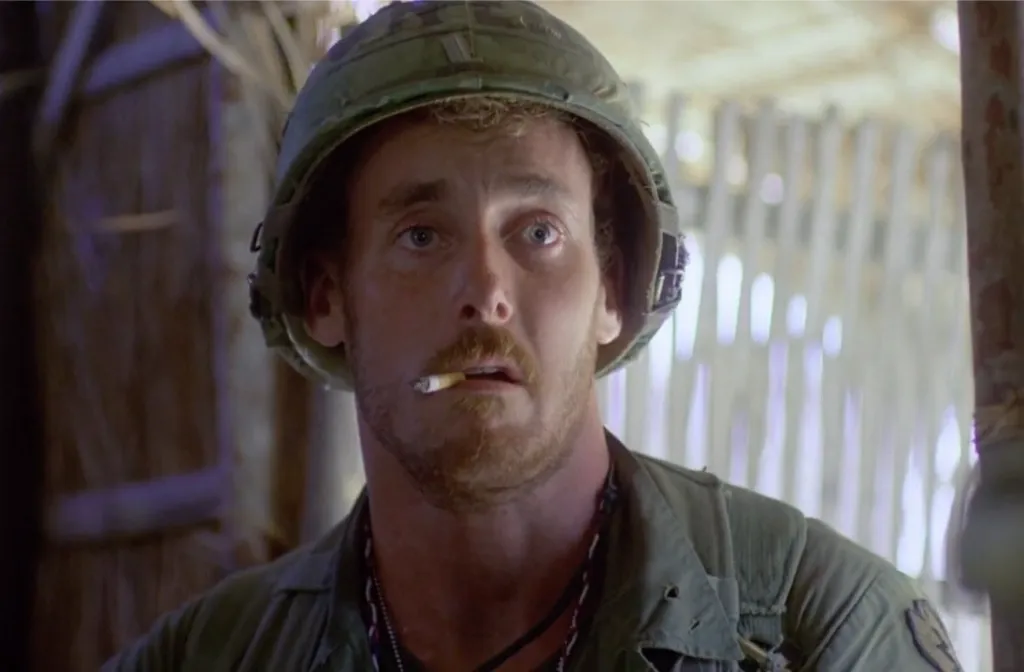
Scott Menzel: One thing I really appreciate about talking to you is that you genuinely love film history and acting history. Honestly, that’s becoming rare now.
John C. McGinley: That’s the thing that makes me crazy sometimes. If we’re going to talk about acting, we need shared language. We need to be able to talk about Pacino in The Godfather, Malcolm McDowell in A Clockwork Orange, George C. Scott in Dr. Strangelove.
That’s the connective tissue.
I teach actors sometimes between gigs, and I struggle working with younger actors who haven’t immersed themselves in film history. If you haven’t watched the great performances repeatedly, what are we even building from?
Scott Menzel: I feel the exact same way from the journalism side. There are so many people now discussing movies and television who don’t really have any understanding of the history behind them.
John C. McGinley: Exactly. I grew up devouring Kubrick and Coppola and George C. Scott and Sterling Hayden. You absorb greatness and chase it.
Scott Menzel: Speaking of journalism, what’s the question you’ve always hated being asked?
John C. McGinley: For years everybody wanted dirt on Oliver Stone because he supposedly had this tyrannical reputation. Meanwhile the man put me in six films and completely altered my adult life.
Then at conventions people always want to know who the worst person I’ve ever worked with was. It’s such a pointless question because there’s no good answer.
Scott Menzel: Because the second you say anything, it instantly becomes an internet headline.
John C. McGinley: Exactly. And usually the people they’re asking about are dead anyway, so why would I want to speak negatively about them publicly?
The Emotional Impact of Fan Conventions
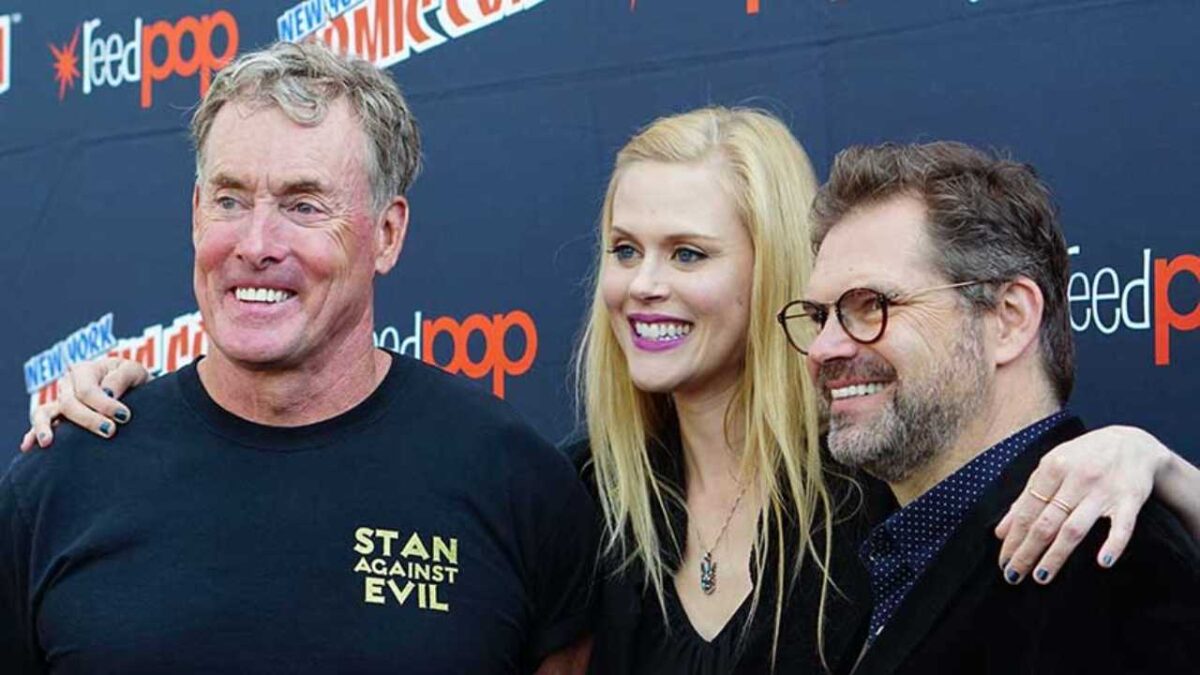
Scott Menzel: It’s funny because conventions have also become this really emotional experience for a lot of fans. People share these deeply personal stories with actors now.
John C. McGinley: Absolutely. When I was in Naples, people would come up after waiting in line for hours and they were almost hyperventilating. They’ve spent all this money, all this time, and now they’re finally face-to-face with you.
The first thing I do is ask their name because nobody’s probably asked them their name all day.
Then we just connect for 30 or 60 seconds like human beings.
I don’t want somebody walking away feeling overwhelmed or intimidated. I want them leaving happy because these moments matter to them.
Scott Menzel: You can absolutely tell when actors genuinely care during those interactions versus the ones who are just there collecting cash.
John C. McGinley: I really do care. I juxtapose that against seeing other actors who barely even look up while signing autographs.
I was next to a very well known actor once and he basically just signed nonstop without looking up. I remember thinking, “I’m never doing that.”
I don’t know that person personally, but seeing that behavior really clarified the kind of experience I wanted to give fans.
Scott Menzel: There are definitely some actors who almost resent being there.
John C. McGinley: Exactly. And I don’t understand that mindset because I genuinely love conventions.
I think you only need to do a few a year, but they’re fantastic. They’re well organized now, the fans are passionate, and honestly they’re a great revenue engine between jobs too.
Scott Menzel: And honestly, why wouldn’t you want to give back to the fans? They’re the people who supported your career for decades.
John C. McGinley: Absolutely. And people aren’t exaggerating when they tell you these things impacted their lives.
I have doctors come up to me constantly and say, “You’re the reason I became a doctor.”
That’s an unbelievable thing to hear.
Awards Campaigns, HBO, and Why ‘Rooster’ Feels Different
Scott Menzel: There’s also a really strong connection between this industry and people within the autism and Down syndrome communities.
John C. McGinley: Unfortunately, I think part of that is because television often becomes the babysitter. A lot of people within that community consume enormous amounts of content.
But one thing I’ll always be grateful to Billy Lawrence for is that during Scrubs I kept asking him if we could do a storyline involving somebody with Down syndrome.
Eventually he did it.
And I remember thinking, “I’ll do anything for this guy.”
Scott Menzel: That’s the kind of representation I think audiences genuinely respond to because it feels natural instead of forced.
John C. McGinley: Exactly. Authenticity matters.
Scott Menzel: I also think HBO really understands how to position shows like Rooster. They put real energy behind their programming.
John C. McGinley: They’ve been incredible with us.
Scott Menzel: Whereas some networks historically haven’t done that very well.
John C. McGinley: Honestly, looking back now, it’s offensive to me that Dr. Cox was never seriously in the Emmy conversation during the original run.
He should have absolutely been in those conversations alongside performances like David Hyde Pierce on Frasier.
Critics groups recognized the work constantly, but there was never any real momentum behind it.
That’s why now, when HBO asks me to do something for Rooster, I’ll do whatever they want because I know what it feels like to be on the opposite side of that.
Scott Menzel: That’s honestly one of the most frustrating things about awards campaigning in general. It becomes this giant money game where the same people keep getting pushed over and over again instead of elevating supporting performances or overlooked actors.
John C. McGinley: It’s maddening.
Scott Menzel: At the very least though, Rooster absolutely feels like a realistic SAG Ensemble contender because everybody in the cast delivers.
John C. McGinley: I think that’s realistic too.
Scott Menzel: Especially because your biggest competition is probably Shrinking, but there are enough standout performances across Rooster to absolutely get into that conversation.
John C. McGinley: And there’s definitely a Silver Lake element to Rooster that helps.
Scott Menzel: And most Television Academy voters are in Los Angeles or New York, which absolutely matters whether people admit it or not.
John C. McGinley: Exactly.
People always wonder why shows like Hacks do so well, but if Television Academy voters were all in Nebraska instead of Los Angeles or New York, I don’t think Hacks racks up nearly the same amount of nominations.
Scott Menzel: That’s honestly true. Industry-focused Hollywood shows tend to connect strongly with voters because that’s their world.
John C. McGinley: Exactly. And I think Rooster works because it has broader appeal outside the industry too.
Scott Menzel: I completely agree. It has that rare word-of-mouth energy where people are actively telling their friends they need to watch it.
John C. McGinley: My wife’s friends literally keep saying that exact thing. “You have to watch Rooster.”
Nobody ever said that about anything else I’ve done.
And that feels really special.
Scott Menzel: It really does feel like lightning in a bottle.
John C. McGinley: Just like Platoon.