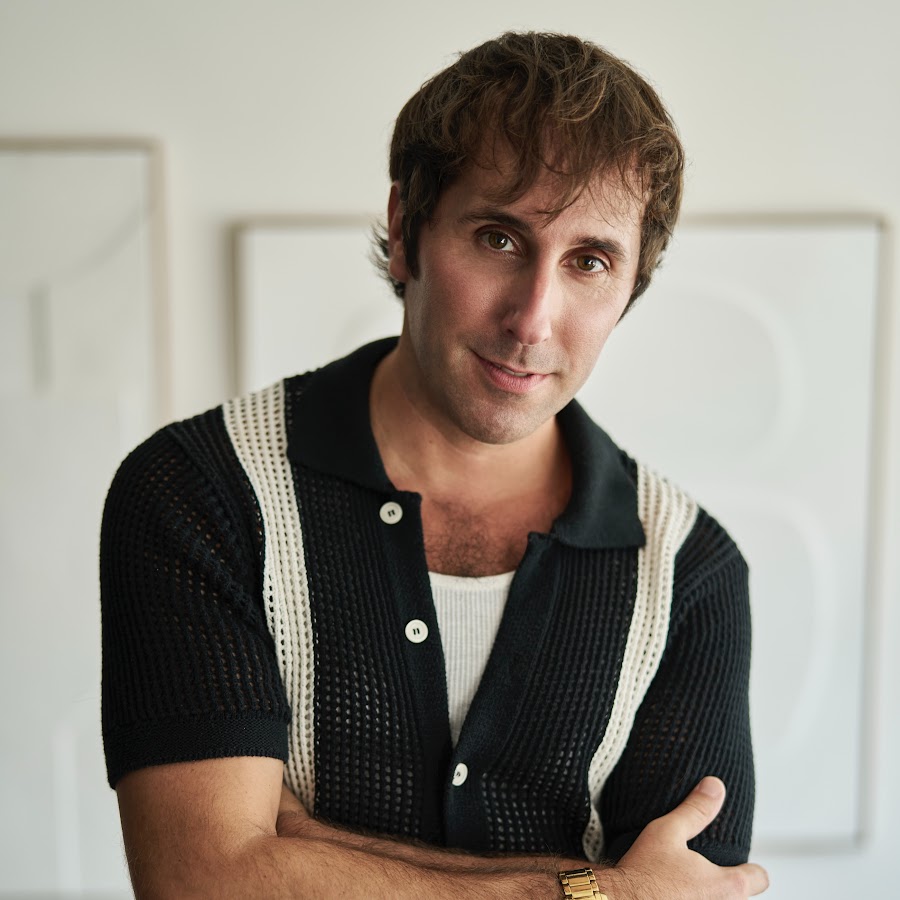
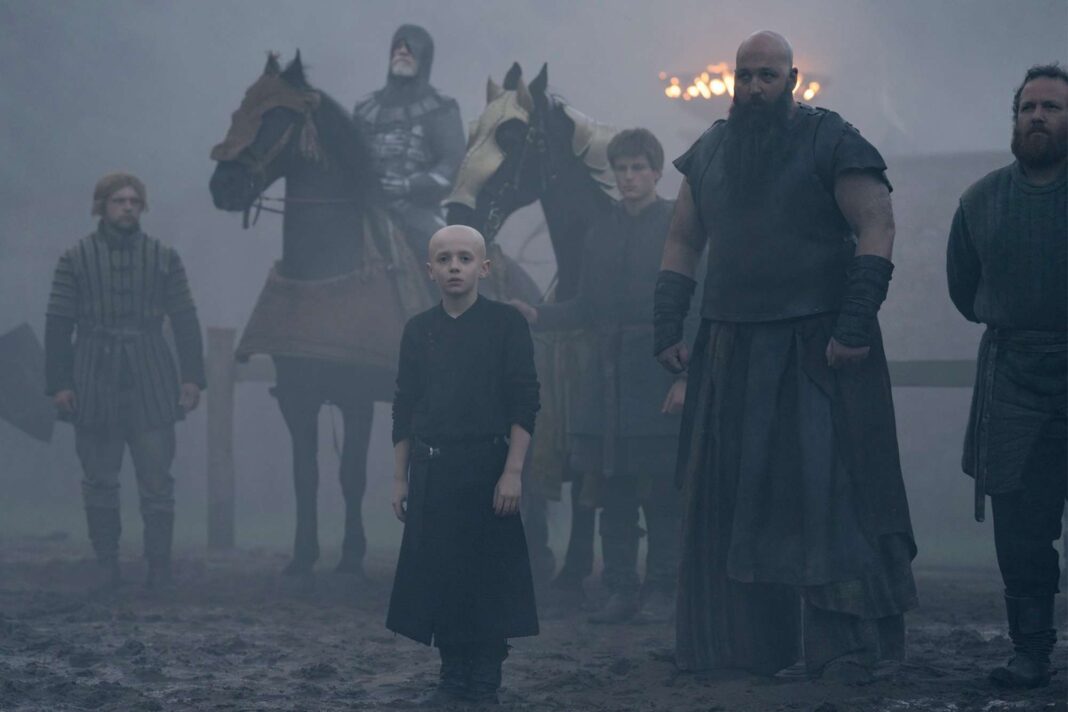
As anticipation continues to build for the second season of A Knight of the Seven Kingdoms, showrunner Ira Parker is helping usher audiences into a different corner of Westeros. Adapted from the beloved Dunk and Egg novellas by George R. R. Martin, the HBO series takes a more intimate, character-driven approach than its predecessors while still inhabiting the rich world fans have come to love.
During a recent conversation with Awards Buzz, Jeff Conway spoke with Parker about the realities of being a showrunner, the invaluable lessons he learned from Martin, the importance of authenticity in fantasy storytelling, and what viewers can expect as the series enters into its second season.
Jeff Conway: First of all, congratulations on everything. I recently spoke with Dexter Sol Ansell, and he was wonderful. Since many people hear the term “showrunner” but may not fully understand what it means, how would you describe your day-to-day responsibilities?
Ira Parker: The easiest comparison I use is CEO. It’s a creative position that usually belongs to the writer or creator of the show, though not always. Ultimately, the showrunner is the executive producer who has final say on all creative decisions and anything related to the series. Every major decision eventually comes through that position.
Jeff Conway: Before production began on Season 1, you had conversations with George R.R. Martin. What were some of the biggest takeaways from those discussions that still influence you today?
Ira Parker: We talked a lot about point of view. The novellas are entirely told from Dunk’s perspective, which is why the collection is called A Knight of the Seven Kingdoms and not simply Dunk and Egg. One of our biggest conversations was whether we should ever expand beyond Dunk’s point of view.
We both agreed that we would never go into the perspectives of kings, queens, lords, or ladies. Other shows in this universe have explored those viewpoints extremely well. Our story is the grounded, bottom-up version of Westeros.
The one character we occasionally shift toward is Egg because he’s still a child whose future isn’t defined yet. At one point, we even discussed giving Tanselle her own perspective in Season 1, but between budget realities and the fact that we always wanted to spend more time with Dunk, those ideas fell away.
Everything eventually comes back to Dunk. How is he feeling? Where is he emotionally? That became the guiding principle for every department—from cinematography and costumes to stunts, editing, and music. We want audiences to experience this world through him.
That was probably the biggest lesson George gave me: if you’re going to leave Dunk’s perspective, you need to be very careful. Like him, we always seem to come back to where we started.
Jeff Conway: You also worked on House of the Dragon. Were there lessons from that experience that helped shape your approach to A Knight of the Seven Kingdoms?
Ira Parker: My title there was co-executive producer, but really I was in the writers’ room. It was a pre-pandemic writers’ room in Los Angeles, and it was a fantastic experience.
Ryan Condal is a writer’s writer. One of the biggest things I took away from him was how he treated people. He handled his writers and collaborators with a tremendous amount of grace, and that definitely influenced how I try to lead my own team.
As far as the production side goes, I wasn’t in London during filming. They were dealing with production during the pandemic, which must have been incredibly challenging, while I was back in my Silver Lake apartment.
Jeff Conway: Dexter talked about the incredible level of detail in the sets, props, and environments. How important is authenticity when building this world?
Ira Parker: It’s essential. On any show, but especially a fantasy series, everything has to feel authentic. If it doesn’t, the audience can drift away from the story.
I learned that lesson early in my career on The Last Ship. We worked closely with the Navy. We had Navy personnel in the writers’ room, consultants on set, and former Navy SEALs helping us get details right. We wanted everything to feel genuine.
That level of authenticity helps audiences believe in the characters and emotions. It allows the story to work.
For us, it’s also about helping the actors. We don’t want them standing in front of a green screen holding a prop that doesn’t feel real. We want them fully immersed in the world. When every department is committed to that goal, it elevates everyone’s work.
And honestly, the credit belongs to our production designers and set decorators. They’re world-class artists who take tremendous pride in what they do.
Jeff Conway: As you move into Season 2, how do you expand the world while still preserving what audiences loved about Season 1?
Ira Parker: The novellas themselves guide us. They’re essentially adventure stories that follow Dunk and Egg through different chapters of their lives.
One advantage is that our characters are naturally growing up. We’re not trying to compress years of storytelling into a short timeframe. We want to tell a story that spans a lifetime.
Season 2 finds Egg settling into his role as Dunk’s squire while Dunk is learning what it means to mentor someone. Both are stepping into unfamiliar responsibilities, and that creates growth for each of them.
What’s especially exciting is watching the relationship between Peter Claffey and Dexter Sol Ansell evolve. They’ve become incredibly close. There’s a brotherhood between them now that naturally carries into the characters. In some ways, they’ve even developed the dynamic of an old married couple who know exactly how to push each other’s buttons.
Interestingly, Season 2 is actually smaller and more intimate than Season 1. We’re no longer at a massive tournament surrounded by crowds and spectacle. We’re spending more time in the Reach, out among farms and quieter places.
A lot of shows want to go bigger in their second season. We’re doing something different. We’re getting closer to the characters.
Jeff Conway: What is it about A Knight of the Seven Kingdoms that is creatively fulfilling for you at this point in your career?
Ira Parker: Earlier in my career, I was often coming in as a writer trying to contribute ideas, challenge assumptions, and help shape someone else’s vision.
Being a showrunner is completely different. Now it’s my responsibility to take every idea—from my team and from myself—and determine what works, what doesn’t, and how it all fits together into a cohesive whole.
You have to think about the finished product in a way I never had to before. It forces you to reexamine every creative instinct you’ve ever had.
It’s much more involved, but it’s also incredibly rewarding. It’s changing me as a creator and as a person.
Of course, having three children under four years old is also changing me quite a bit, so I’m getting it from both directions.
Jeff Conway: I always like ending with this question. If you could sit down with Dunk and Egg and give them a piece of advice, a warning, or a comforting message, what would you tell them?
Ira Parker: Well, technically I get to do that every day.
But if I were sitting with them over a beer? I’d tell them to run away. Go to Essos and never come back.
For both of them.
Just go on adventures and live life on your own terms. No crowns. No responsibilities. Just enjoy the journey.
With A Knight of the Seven Kingdoms preparing for its next chapter, Parker’s commitment to character, authenticity, and intimate storytelling offers a refreshing perspective within the ever-expanding world of Westeros. While many fantasy series chase bigger battles and grander spectacles, Parker seems to be focused on something far more personal: the evolving bond between two unlikely companions whose journey is only just beginning.
Watch the full interview here: