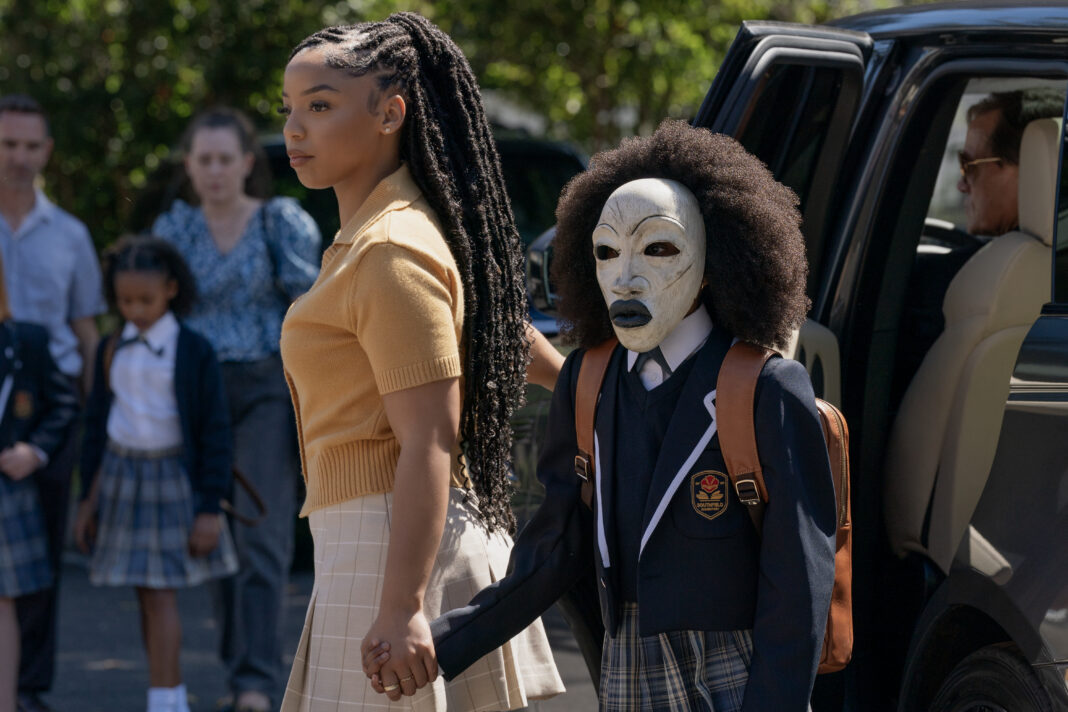
Two nights ago, I finally had a chance to sit down and watch Voicemails for Isabelle on Netflix. Within fifteen minutes, I found myself teary-eyed, and by the half-hour mark, I had completely fallen in love with the film.
We all know that the entertainment industry has changed dramatically since Netflix transformed the way audiences consume movies and television, and even more so during and after the pandemic. Prior to 2020, a film like Voicemails for Isabelle likely would have received a theatrical release and gone on to become a significant box office success. Today, however, that’s rarely the case. Instead, films like this often debut directly on streaming platforms where they can be discovered by audiences around the world. If they’re fortunate enough to break through the noise, they become cultural talking points through word-of-mouth and social media.
While watching Voicemails for Isabelle, I couldn’t help but think about something else: romantic comedies used to be a meaningful part of the awards season conversation.
For decades, films like When Harry Met Sally, Broadcast News, As Good as It Gets, Jerry Maguire, and Shakespeare in Love were not only commercial successes but also major contenders during awards season. These films proved that stories centered around love, relationships, and human connection could be just as artistically significant as historical dramas, biopics, or prestige independent films.
Somewhere along the way, however, romantic comedies largely disappeared from the conversation.
Today’s awards landscape often favors darker, heavier, and more traditionally “prestigious” films. While there are certainly exceptions that break through to mainstream audiences such as Sinners and Wicked, awards season has increasingly become associated with prestige over accessibility. Meanwhile, some of the most beloved genres among moviegoers, including comedy, horror, and action, continue to be overlooked regardless of quality.
A film can make audiences laugh, cry, and leave the theater feeling genuinely uplifted, yet still struggle to gain recognition simply because it doesn’t fit the modern awards-season mold.
The reality is that making a great romantic comedy is an incredibly difficult task.
The genre demands sharp writing, memorable characters, genuine chemistry between its leads, emotional authenticity, and a delicate balance between humor and heart. When everything comes together, a romantic comedy can be every bit as impactful as the most celebrated drama. In many ways, it’s even more challenging because audiences immediately recognize when a romantic comedy feels forced, manipulative, or formulaic.
Recent films such as Crazy Rich Asians, The Big Sick, and Palm Springs demonstrated that audiences still have a strong appetite for smart, emotionally resonant romantic storytelling. And now Voicemails for Isabelle serves as another reminder of why the genre remains so beloved.
The film connects with audiences because it explores universal experiences: love, loss, vulnerability, hope, grief, and the search for connection. Those themes are no less meaningful simply because they are wrapped inside a romantic comedy.
Awards bodies often speak about honoring excellence in filmmaking. If that’s truly the goal, genre should not matter. A romantic comedy that excels in writing, directing, acting, editing, or any other craft deserves the same consideration as any drama competing for recognition.
The biggest irony of all is that audiences are often more likely to remember a movie like Voicemails for Isabelle long after awards season ends. People revisit romantic comedies throughout their lives. They quote them, share them with friends and family, and turn to them during both good times and bad. Their cultural impact often extends far beyond many of the films that dominate awards conversations in a given year.
Decades after their release, audiences are still discovering and recommending films like When Harry Met Sally, Love Actually, (500) Days of Summer, Bridget Jones’s Diary, 13 Going on 30, and Mamma Mia!. That’s the kind of lasting connection filmmakers dream of creating.
The film industry has spent years asking how to bring audiences back to theaters and how to create movies that resonate with a broad spectrum of viewers. A great romantic comedy has always been part of that answer.
These films make people laugh, cry, fall in love, and see themselves reflected on screen. If awards bodies truly want to celebrate excellence in filmmaking, they should be willing to recognize greatness regardless of genre. Perhaps if romantic comedies were welcomed back into the awards conversation, studios would once again see value in putting them on the big screen.
Because at the end of the day, making people feel something is the ultimate goal of cinema, and few genres accomplish that more consistently than a great romantic comedy.